
Gemstoneshave captivated humanity for centuries, not only for their stunning beauty but also for their cultural, spiritual, and economic significance. However, beyond their aesthetic allure, gemstonesplay a crucial role in legal and regulatory compliance across various industries.
In this article, we discussthe role of gemstones in legal and regulatory compliance. And the multifaceted dimensions of how gemstones intersect with legal frameworks, regulations, and compliance standards, shedding light on the intricate relationship between these precious stones and the law.
What Is Regulatory Compliance?
Compliance with government and regulatory laws, regulations, standards, and other guidelines is regulatory compliance. Companies must obey rules and regulations to operate, making it crucial.
Regulatory compliance helps organizations avoid unethical or unlawful acts and protects worker's and consumers' data, including personally identifiable information and protected healthinformation. Compliance rules vary by industry and area and may carry heavy fines if not followed.
History Of Gemstones
It was 25,000 years ago when the first gemstone jewelrywas discovered. Thus, it illustrates the human fascination with jewels throughout history. From jewelry to weapons to medicine, gemstones have seen widespread usage throughout history. Look into the origins of gemstones and how they transformed into therapeutic stones.
Egypt
As early as 4000 BC, the Egyptians were crafting jewelry out of steatite beads and other gemstones, including carnelian, chalcedony, lapis lazuli, and amethyst. Obsidian gemstoneswere brought to Southern Egypt at the same time for use in jewelry and weaponry. Furthermore, sacred jewels made of precious stones like lapis lazuliand ivory were worn as a means of communion with the divine.
China
Gem elixirs and needles tipped with gemstones are remnants of gemstones' long history of usage in ancient China. In 3600 BC, with the discovery of Nephrite Jade, the first reference to jewels in Chinese history was made. Furthermore, jade stones were fashioned into jewelry and implements in China.
Indian
The first written record of diamondsdates back to 300 BC when they were exported from India. Agate, carnelian, and jasper were found in a belt in a cave in India that dates back to 3000 BC. Ayurvedic medicine, which originated in India, also made use of gemstone powder. Furthermore, the Hindu Tantric system's emphasis on jewels' chakra capabilities exemplifies the practical use of both material and immaterial talents.
Greece
Jewels enclose the divine energies of Greek gods and goddesses, according to mythology. Crushed hematite powder was also applied to the troops by the Greeks. They utilized it to fortify themselves before wars. Gems have a long and illustrious history in Greek culture, beginning from 1600 BC.
Roman
The ancient Romans shared a belief in jewels' mystical powers with their Greek and Egyptian counterparts. In 500 BC, the first amulet crafted from jewels was discovered. Their creations were embellished with pearls, sapphires, and garnets. They were perfect for emotional and physical recovery.
Europe
Throughout the Renaissance, gemstones left an indelible impression on Europe. Physical and spiritual ailments alike might find relief with the use of healing crystalsin eleventh-century Europe. Arnoldus Saxo and John Mandeville also documented the restorative powers of gemstone jewelry.
Crusades
Gemstones were not only traded throughout the Crusades but also formed a part of global history. For example, clerical ringswere used by the clergy. The Crusades also saw the employment of healing rings and romance rings for dealing with mental and emotional distress.
The Significance Of Gemstones In Legal And Regulatory Compliance
Gemstones, renowned for their dazzling beauty and cultural symbolism, hold a significance that extends beyond aesthetic appeal. The world of gemstones is intricately woven into the fabric of legal and regulatory compliance across various industries.
Understanding the multifaceted roles these precious stones play in the legal landscape sheds light on their broader impact on governance, trade, and ethical considerations.
Traceability And Compliance In The Gemstone Supply Chain
In an era where supply chaintransparency is increasingly crucial, gemstones are subject to rigorous regulations ensuring ethical sourcing. Governments and international bodies enforce guidelines to trace the origin of gemstones, preventing the circulation of conflict minerals.
Compliance with these regulations not only safeguards the reputation of the industry but also contributes to global efforts in promoting responsible sourcing practices.
Legal Frameworks Addressing Environmental Concerns
Gemstone mining, a fundamental aspect of the industry, often intersects with environmental regulations. Striking a balance between meeting the demand for precious stones and minimizing ecological impact requires adherence to stringent legal standards.
Compliance in this context involves implementing sustainable mining practices, land reclamation, and mitigating the environmental footprint of gemstone extraction.
Human Rights And Ethical Mining Practices
Gemstones have been associated with ethical concerns, particularly regarding labor practices in mining operations. Legal frameworks are in place to address these issues, ensuring fair labor practices, safe working conditions, and the prohibition of child labor.
Compliance with such regulations is essential to uphold human rights and maintain the industry's credibility in the eyes of consumers and stakeholders.
Certification And Consumer Confidence
Gemstone certification processes are integral to legal and regulatory compliance, offering consumers assurance regarding the authenticity and quality of the stones. Adherence to international standards in gemstone certification not only ensures compliance with legal requirements but also fosters consumer trust.
The certification process involves rigorous testing and documentation, contributing to the overall transparency of the gemstone market.
Prevention Of Illicit Trade
The gemstone industry has, at times, been marred by the trade of illicit or "blood" gemstones, financing conflict and contributing to human rights abuses. Legal frameworks, such as the Kimberley Process Certification Scheme for diamonds, aim to curb the flow of conflict gemstones.
Compliance with these initiatives is essential for market participants to ensure that their gemstones are sourced ethically and contribute to global peacekeeping efforts.
Cultural Heritage Preservation And Legal Compliance
Certain gemstones carry profound cultural significance for specific communities. Legal frameworks surrounding the repatriation of culturally significant gemstones address questions of ownership, international agreements, and the preservation of cultural heritage.
Compliance with these legal provisions helps strike a balance between cultural considerations and the responsibilities of the gemstone industry.
Adapting To The Digital Age
The advent of cryptocurrency has introduced new dynamics to the gemstone trade, necessitating legal considerations in digital transactions.
Compliance with evolving regulations in cryptocurrency and blockchain technology is crucial for those engaging in gemstone trading in the digital realm, ensuring the security and legality of transactions.
The Top 10 Gemstones Exemplifying Legal And Regulatory Compliance
Gemstones, cherished for their beauty and cultural significance, are subject to a complex web of legal and regulatory frameworks. In navigating these intricacies, certain gemstones stand out for their adherence to ethical sourcing, environmental responsibility, and compliance with industry standards.
Here, we explore the top 10 gemstones that exemplify legal and regulatory compliance, reflecting a commitment to transparency, sustainability, and ethical practices within the gemstone industry.
Ethical Emeralds
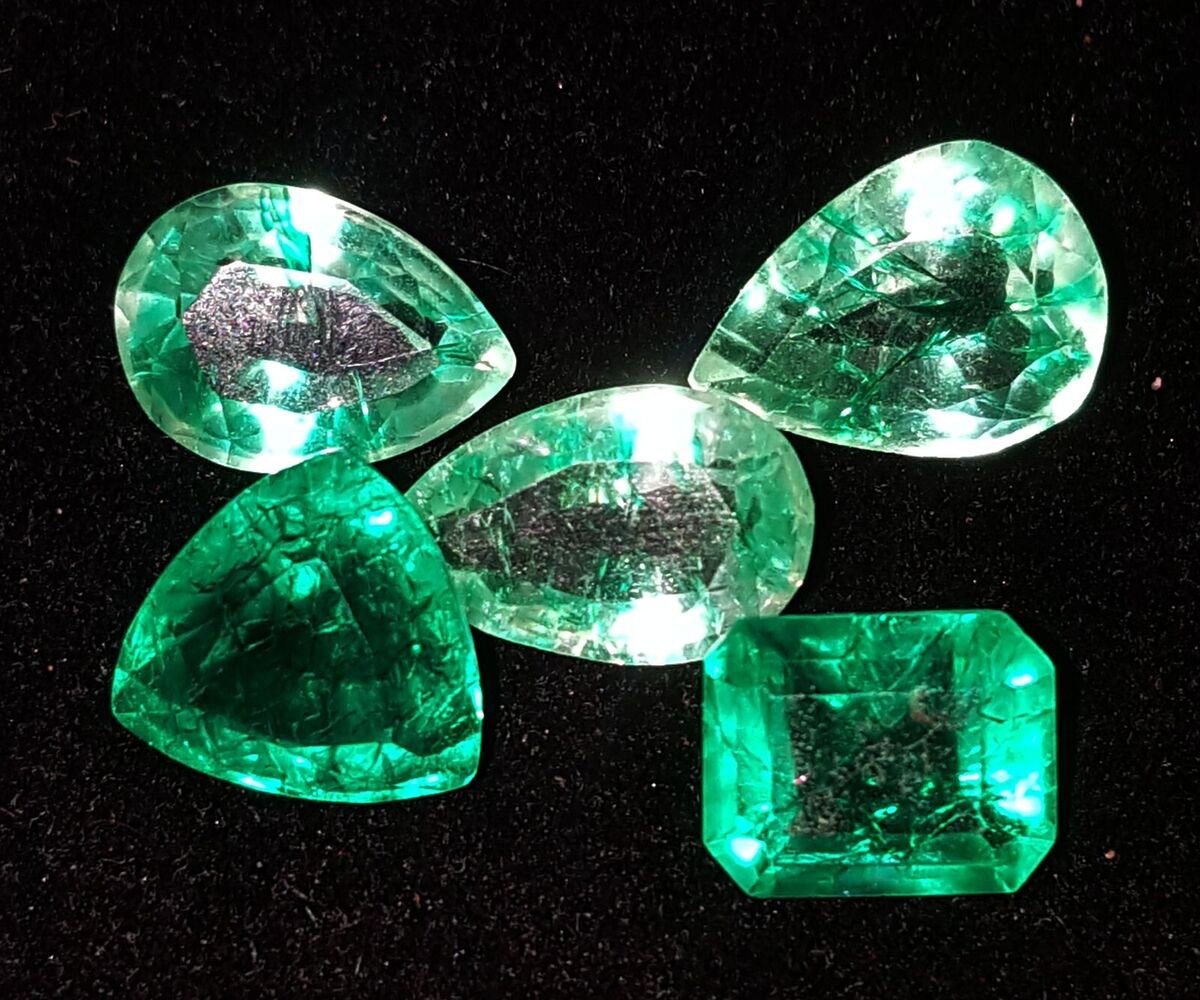
Emeralds, known for their vibrant green hues, often undergo scrutiny to ensure ethical mining practices. Compliance initiatives focus on preventing environmental degradation and human rights abuses in emerald mining operations, contributing to the industry's commitment to responsible sourcing.
See Also: Types Of Emerald - Their Uniqueness As Jewelry As Well As Their Benefits
Kimberley-Compliant Diamonds

Diamonds, the most iconic gemstone, undergo stringent compliance measures under the Kimberley Process Certification Scheme. This framework aims to eradicate the trade in conflict diamonds, ensuring that diamonds in the market are sourced ethically and free from connections to civil unrest.
Fair Trade Sapphires

Sapphires, renowned for their deep blue colors, are increasingly subject to fair trade practices. Compliance in the sapphireindustry involves ensuring fair wages, safe working conditions, and environmentally responsible mining, contributing to a more ethical and transparent supply chain.
Responsibly Sourced Rubies

Rubies, prized for their intense red hues, often come from regions with environmental and social challenges. Compliance in the ruby industry involves efforts to trace the origin of stones, prevent illegal mining, and support community development, ensuring a legal and ethical trade.
Sustainable Tanzanite

Tanzanite, a striking blue-violet gemstone, is primarily found in Tanzania. Compliance efforts focus on environmentally conscious mining practices, land rehabilitation, and community engagement to mitigate the impact of tanzanite extraction.
Transparent Topaz
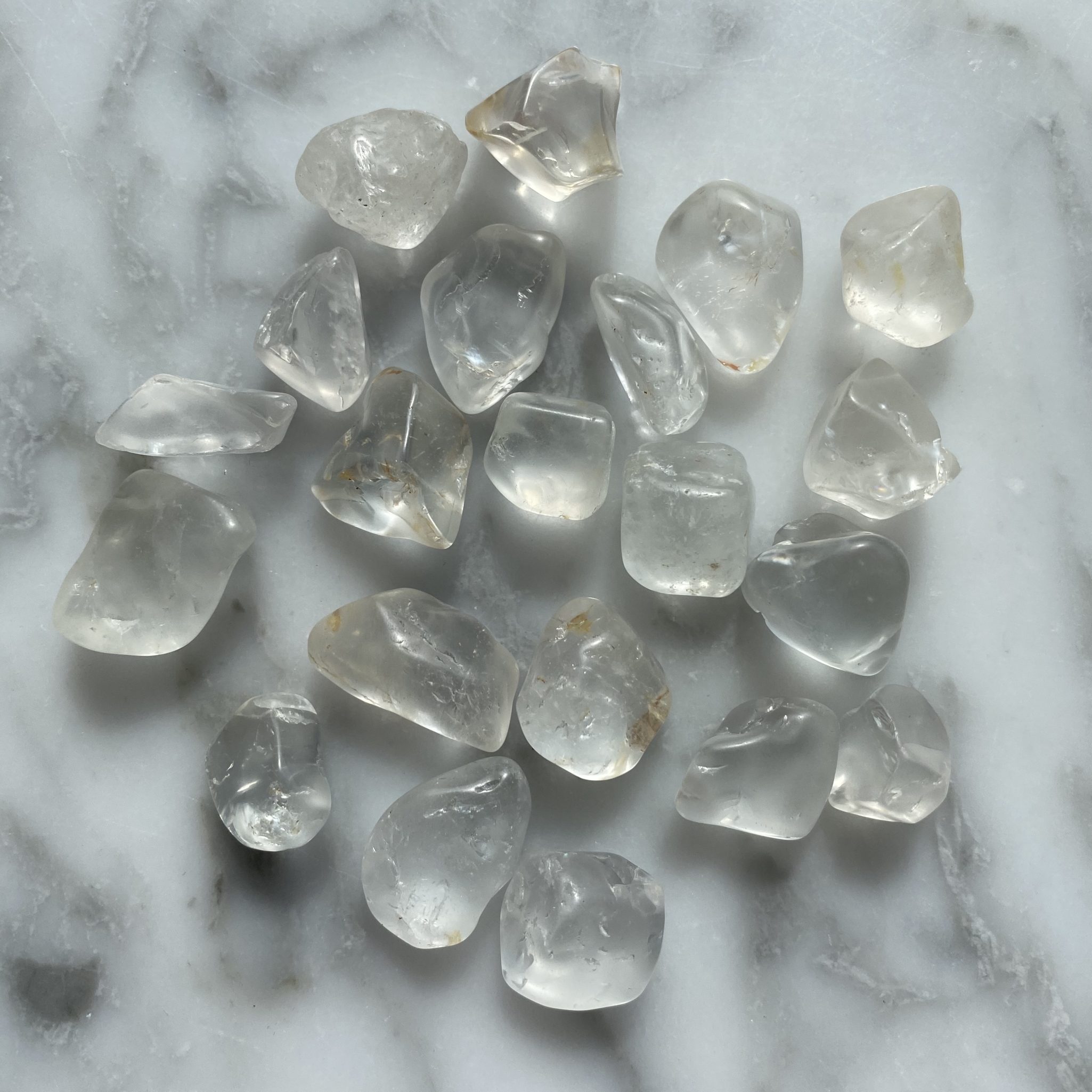
Topaz, with its diverse color range, is subject to transparency initiatives to ensure consumers have accurate information about the stone's treatment and origin. Compliance in the topazindustry involves transparent disclosure practices, preventing fraudulent marketing, and maintaining consumer trust.
Eco-Friendly Aquamarine

Aquamarine, prized for its calming blue tones, is increasingly sourced through eco-friendly practices. Compliance measures include adherence to environmental regulations, water conservation efforts, and support for local communities impacted by aquamarine mining.
Conflict-Free Amethyst

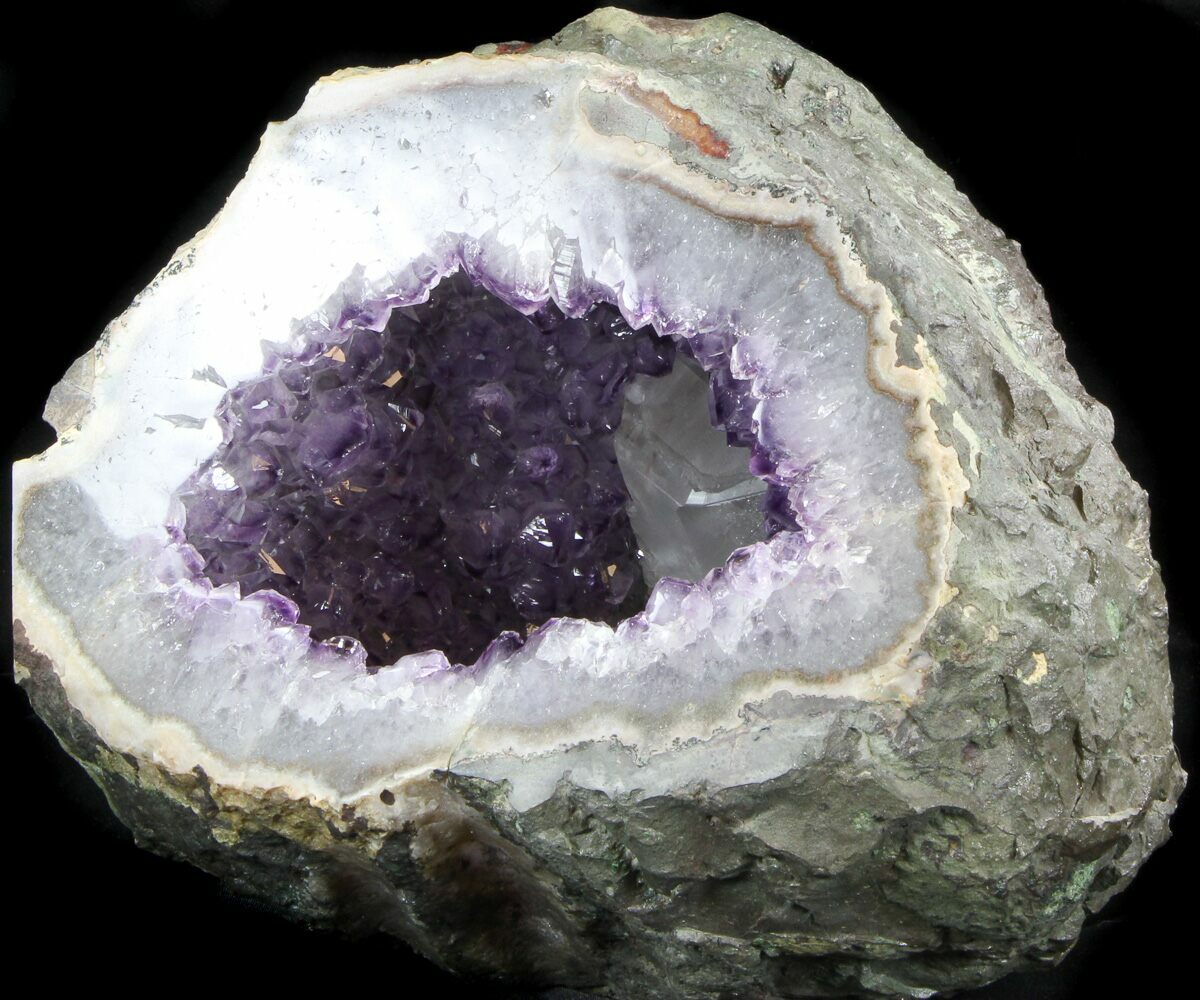
Amethyst, known for its violet hues, is subject to compliance measures to prevent its association with conflict or unethical practices. Efforts include.
- Tracing the supply chain.
- Supporting fair trade initiatives.
- Ensuring that amethyst mining adheres to ethical standards.
Citrine With Social Responsibility

Citrine, celebrated for its warm yellow tones, is gaining attention for compliance with social responsibility initiatives. It includes fair labor practices, community development, and adherence to legal standards in the mining and trade of citrine.
Compliant Tourmaline
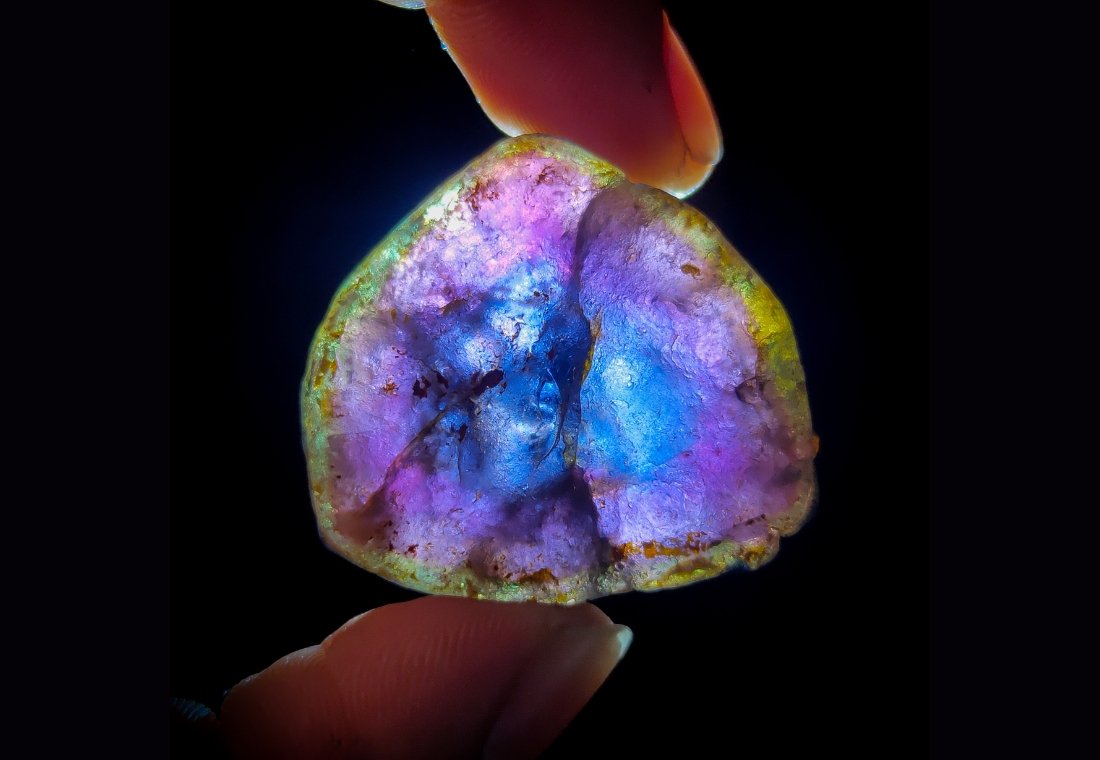
Tourmaline, available in various colors, is increasingly sought after for its compliance with ethical and legal standards. Initiatives focus on responsible mining practices, community engagement, and adherence to international regulations, ensuring a legal and transparent tourmaline trade.
Read Also: What Is The Role Of Gemstones In International Trade And Commerce?
The Role Of Gemstones In Legal And Regulatory Compliance
Beyond their intrinsic beauty and cultural significance, gemstones play a vital role within the intricate framework of legal and regulatory compliance. This multifaceted relationship extends across various dimensions, encompassing ethical sourcing, environmental considerations, and adherence to industry standards.
Understanding the role of gemstones in legal and regulatory compliance provides valuable insights into how the industry navigates challenges while upholding ethical practices and meeting legal obligations.
Ethical Sourcing And Compliance
Gemstones are often sourced from regions with unique geological formations, and the process of extraction can have ethical implications. Legal frameworks and industry standards aim to ensure that gemstones are ethically sourced, with a focus on preventing human rights abuses, child labor, and unfair labor practices in mining operations.
Compliance with these regulations underscores the industry's commitment to social responsibility and ethical businesspractices.
Environmental Impact And Sustainable Practices
Gemstone mining, like any extractive industry, can have environmental consequences. Legal and regulatory compliance addresses these concerns by imposing standards that promote sustainable mining practices. It includes measures to minimize habitat disruption, prevent pollution, and rehabilitate mined areas.
The gemstone industry's commitment to environmental responsibility is evident in its efforts to balance the demand for these precious stones with sustainable resource management.
Preventing The Trade In Conflict Gemstones
Certain gemstones, notably diamonds, have been associated with conflicts and human rights abuses. In response to this, international initiatives like the Kimberley Process have been established to prevent the trade in conflict gemstones. Compliance with these measures involves.
- Tracking the origin of gemstones.
- Ensuring they are conflict-free.
- Contributing to global efforts to maintain peace and stability.
Cultural Heritage Preservation
Gemstones often hold immense cultural and historical significance for specific communities. Legal frameworks address issues related to the repatriation of culturally significant gemstones, establishing guidelines for ownership, international agreements, and the preservation of cultural heritage.
Compliance in this regard involves respecting the cultural context of gemstones and working towards mutually beneficial solutions that honor both legal principles and cultural values.
Intellectual Property Protection In Jewelry Design
Gemstones play a central role in the world of jewelry design, where intellectual property protection is crucial. Legal frameworks governing trademarks, patents, and design rights help protect the creative efforts of designers and manufacturers.
Compliance in this domain ensures that the intellectual property rights associated with gemstone jewelry are upheld, fostering innovation within the industry.
Adapting To Technological Advances
The emergence of technologies like blockchain has introduced new opportunities and challenges for the gemstone industry. Blockchain, for instance, can be utilized to create transparent and tamper-proof supply chains, enhancing traceability and reducing the risk of fraud.
Compliance with evolving technological standards reflects the industry's commitment to staying abreast of innovations that can enhance legal and regulatory adherence.
Ensuring Transparency In The Gemstone Industry
Certification standards in the gemstone industry serve as the bedrock for ensuring transparency, authenticity, and ethical sourcing. In an era where consumers demand accountability and responsible business practices, gemstone certifications play a pivotal role in building trust and fostering a sustainable market.
Gemstone Certification
Gemstone certification is a process wherein independent gemological laboratories evaluate and authenticate the characteristics of a gemstone. These certificates provide consumers and stakeholders with vital information about the stone's origin, quality, and any treatments it may have undergone.
The goal is to instill confidence in buyers, offering assurance that the gemstone they purchase aligns with ethical and legal standards.
The Role Of Gemological Laboratories
Certification is typically conducted by reputable gemological laboratories that adhere to strict standards and methodologies. These laboratories use advanced techniques to assess factors such as color, cut, clarity, and carat weight, ensuring that the information presented in the certificate is accurate and reliable.
Compliance with these standards is essential for the credibility of both the laboratory and the gemstone industry as a whole.
International Standards
Gemstone certification is not a localized practice; it operates within a framework of international standards that set the benchmark for ethical and transparent trade. Compliance with these standards ensures that gemstones meet globally recognized criteria, promoting consistency and reliability in the assessment of gemstone quality.
The Gemological Institute of America (GIA) and other internationally acclaimed organizations contribute to the development and maintenance of these standards.
IsO 17025
ISO/IEC 17025 is a critical standard for gemological laboratories, ensuring they possess the competence and impartiality necessary to carry out certification processes. Compliance with this standard is a testament to the laboratory's commitment to accuracy and fairness in gemstone evaluation.
Transparency In Gemstone Trade
Gemstone certification enhances transparency in the entire supply chain, from mining to retail. Consumers, armed with detailed information from certificates, can make informed decisions about the gemstones they purchase. This transparency is instrumental in fostering consumer trust, reducing the risk of fraudulent practices, and promoting responsible consumerism.
Educating Consumers On Certification Importance
As part of compliance efforts, the gemstone industry must actively educate consumers on the significance of certification. It includes understanding the information provided in certificates, recognizing reputable laboratories, and making choices aligned with their ethical and environmental values.
Challenges And Innovations In Certification
While gemstone certification has significantly improved transparency, the industry continues to face challenges. Addressing issues such as synthetic gemstone detection, evolving treatment techniques, and the need for real-time tracking presents ongoing compliance challenges.
Innovations, including blockchain technology, are being explored to enhance certification processes and provide a secure and immutable record of a gemstone's journey from mine to market.
Blockchain Technology And Traceability
Utilizing blockchain in gemstone certification adds an extra layer of transparency by creating an unalterable record of a gemstone's origin and history. Compliance with emerging technologies demonstrates the industry's adaptability to evolving standards and consumer expectations.
Frequently Asked Questions
What Are Gemstone Quality Standards?
Instead of grading gems, gemologists define their Four "C" qualities: color, clarity, cut, and carat or weight. Amethysts are medium to deep purple with red flashes.
How Are Gemstones Verified?
Certified gemologists use a gemstone laboratory to perform a series of precise tests to determine the gemstone's grade, if feasible. Research unfamiliar companies and brand certifications.
Who Verifies Gemstones?
Some gemologists with degrees from the Gemological Institute of America (GIA) or another approved institution create certificates. GIA gemologists or graduates of other reputable gemology schools should be able to write valid certificates.
Why Are Gemstones So Valuable?
Gemstones are among the most attractive and expensive materials. Their scarcity, extraction complexity, and significant demand make them pricey. Depending on nature and size, gemstones may cost hundreds to millions of dollars.
What Is The Significance Of Gemstone Certification In Legal Compliance, And How Does It Enhance Transparency In The Market?
The role of gemstones in legal and regulatory compliance is exemplified through certification processes. Certificates issued by reputable gemological laboratories provide crucial information about a gemstone's origin and characteristics, ensuring compliance with international standards. This transparency instills consumer confidence, fostering a market that prioritizes ethical practices.
What Role Do Gemstones Play In Preventing The Trade Of Conflict Gemstones, And How Does The Kimberley Process Contribute To This Effort?
The role of gemstones in legal and regulatory compliance is evident in initiatives like the Kimberley Process, which aims to prevent the trade of conflict gemstones, particularly diamonds. Compliance involves tracking the origin of gemstones and ensuring they are conflict-free, contributing to global peacekeeping efforts and ethical sourcing within the industry.
In The End
The intricate relationship between gemstones and legal and regulatory compliance spans various historical, environmental, economic, and cultural dimensions. From their historical use as legal tender to the contemporary challenges of ensuring ethical mining practices and transparent market transactions, gemstones are intertwined with a complex web of laws and regulations.
As the gemstone industry continues to evolve, maintaining a delicate balance between meeting market demands and upholding legal and ethical standards remains paramount.
The role of gemstones in legal and regulatory compliance is not only a reflection of their enduring cultural significance but also a testament to the adaptability of legal frameworks in the face of evolving industries.
What Is Regulatory Compliance?
Compliance with government and regulatory laws, regulations, standards, and other guidelines is regulatory compliance. Companies must obey rules and regulations to operate, making it crucial.
Regulatory compliance helps organizations avoid unethical or unlawful acts and protects worker's and consumers' data, including personally identifiable information and protected health information. Compliance rules vary by industry and area and may carry heavy fines if not followed.
History Of Gemstones
It was 25,000 years ago when the first gemstone jewelry was discovered. Thus, it illustrates the human fascination with jewels throughout history. From jewelry to weapons to medicine, gemstones have seen widespread usage throughout history. Look into the origins of gemstones and how they transformed into therapeutic stones.
Egypt
As early as 4000 BC, the Egyptians were crafting jewelry out of steatite beads and other gemstones, including carnelian, chalcedony, lapis lazuli, and amethyst. Obsidian gemstones were brought to Southern Egypt at the same time for use in jewelry and weaponry. Furthermore, sacred jewels made of precious stones like lapis lazuli and ivory were worn as a means of communion with the divine.
China
Gem elixirs and needles tipped with gemstones are remnants of gemstones' long history of usage in ancient China. In 3600 BC, with the discovery of Nephrite Jade, the first reference to jewels in Chinese history was made. Furthermore, jade stones were fashioned into jewelry and implements in China.
Indian
The first written record of diamonds dates back to 300 BC when they were exported from India. Agate, carnelian, and jasper were found in a belt in a cave in India that dates back to 3000 BC. Ayurvedic medicine, which originated in India, also made use of gemstone powder. Furthermore, the Hindu Tantric system's emphasis on jewels' chakra capabilities exemplifies the practical use of both material and immaterial talents.
Greece
Jewels enclose the divine energies of Greek gods and goddesses, according to mythology. Crushed hematite powder was also applied to the troops by the Greeks. They utilized it to fortify themselves before wars. Gems have a long and illustrious history in Greek culture, beginning from 1600 BC.
Roman
The ancient Romans shared a belief in jewels' mystical powers with their Greek and Egyptian counterparts. In 500 BC, the first amulet crafted from jewels was discovered. Their creations were embellished with pearls, sapphires, and garnets. They were perfect for emotional and physical recovery.
Europe
Throughout the Renaissance, gemstones left an indelible impression on Europe. Physical and spiritual ailments alike might find relief with the use of healing crystals in eleventh-century Europe. Arnoldus Saxo and John Mandeville also documented the restorative powers of gemstone jewelry.
Crusades
Gemstones were not only traded throughout the Crusades but also formed a part of global history. For example, clerical rings were used by the clergy. The Crusades also saw the employment of healing rings and romance rings for dealing with mental and emotional distress.
The Significance Of Gemstones In Legal And Regulatory Compliance
Gemstones, renowned for their dazzling beauty and cultural symbolism, hold a significance that extends beyond aesthetic appeal. The world of gemstones is intricately woven into the fabric of legal and regulatory compliance across various industries. Understanding the multifaceted roles these precious stones play in the legal landscape sheds light on their broader impact on governance, trade, and ethical considerations.
Traceability And Compliance In The Gemstone Supply Chain
In an era where supply chain transparency is increasingly crucial, gemstones are subject to rigorous regulations ensuring ethical sourcing. Governments and international bodies enforce guidelines to trace the origin of gemstones, preventing the circulation of conflict minerals. Compliance with these regulations not only safeguards the reputation of the industry but also contributes to global efforts in promoting responsible sourcing practices.
Legal Frameworks Addressing Environmental Concerns
Gemstone mining, a fundamental aspect of the industry, often intersects with environmental regulations. Striking a balance between meeting the demand for precious stones and minimizing ecological impact requires adherence to stringent legal standards. Compliance in this context involves implementing sustainable mining practices, land reclamation, and mitigating the environmental footprint of gemstone extraction.
Human Rights And Ethical Mining Practices
Gemstones have been associated with ethical concerns, particularly regarding labor practices in mining operations. Legal frameworks are in place to address these issues, ensuring fair labor practices, safe working conditions, and the prohibition of child labor. Compliance with such regulations is essential to uphold human rights and maintain the industry's credibility in the eyes of consumers and stakeholders.
Certification And Consumer Confidence
Gemstone certification processes are integral to legal and regulatory compliance, offering consumers assurance regarding the authenticity and quality of the stones. Adherence to international standards in gemstone certification not only ensures compliance with legal requirements but also fosters consumer trust. The certification process involves rigorous testing and documentation, contributing to the overall transparency of the gemstone market.
Prevention Of Illicit Trade
The gemstone industry has, at times, been marred by the trade of illicit or "blood" gemstones, financing conflict and contributing to human rights abuses. Legal frameworks, such as the Kimberley Process Certification Scheme for diamonds, aim to curb the flow of conflict gemstones. Compliance with these initiatives is essential for market participants to ensure that their gemstones are sourced ethically and contribute to global peacekeeping efforts.
Intellectual Property Protection In Jewelry Design
Legal considerations extend to the realm of gemstone jewelry, where intellectual property protection becomes paramount. Designers and manufacturers rely on trademarks, patents, and design rights to safeguard their creative endeavors. Compliance with intellectual property laws not only protects the rights of individuals and businesses but also fosters innovation within the industry.
Cultural Heritage Preservation And Legal Compliance
Certain gemstones carry profound cultural significance for specific communities. Legal frameworks surrounding the repatriation of culturally significant gemstones address questions of ownership, international agreements, and the preservation of cultural heritage. Compliance with these legal provisions helps strike a balance between cultural considerations and the responsibilities of the gemstone industry.
Adapting To The Digital Age
The advent of cryptocurrency has introduced new dynamics to the gemstone trade, necessitating legal considerations in digital transactions. Compliance with evolving regulations in cryptocurrency and blockchain technology is crucial for those engaging in gemstone trading in the digital realm, ensuring the security and legality of transactions.
The Top 10 Gemstones Exemplifying Legal And Regulatory Compliance
Gemstones, cherished for their beauty and cultural significance, are subject to a complex web of legal and regulatory frameworks. In navigating these intricacies, certain gemstones stand out for their adherence to ethical sourcing, environmental responsibility, and compliance with industry standards. Here, we explore the top 10 gemstones that exemplify legal and regulatory compliance, reflecting a commitment to transparency, sustainability, and ethical practices within the gemstone industry.
Ethical Emeralds
Emeralds, known for their vibrant green hues, often undergo scrutiny to ensure ethical mining practices. Compliance initiatives focus on preventing environmental degradation and human rights abuses in emerald mining operations, contributing to the industry's commitment to responsible sourcing.
Kimberley-Compliant Diamonds
Diamonds, the most iconic gemstone, undergo stringent compliance measures under the Kimberley Process Certification Scheme. This framework aims to eradicate the trade in conflict diamonds, ensuring that diamonds in the market are sourced ethically and free from connections to civil unrest.
Fair Trade Sapphires
Sapphires, renowned for their deep blue colors, are increasingly subject to fair trade practices. Compliance in the sapphire industry involves ensuring fair wages, safe working conditions, and environmentally responsible mining, contributing to a more ethical and transparent supply chain.
Responsibly Sourced Rubies
Rubies, prized for their intense red hues, often come from regions with environmental and social challenges. Compliance in the ruby industry involves efforts to trace the origin of stones, prevent illegal mining, and support community development, ensuring a legal and ethical trade.
Sustainable Tanzanite
Tanzanite, a striking blue-violet gemstone, is primarily found in Tanzania. Compliance efforts focus on environmentally conscious mining practices, land rehabilitation, and community engagement to mitigate the impact of tanzanite extraction.
Transparent Topaz
Topaz, with its diverse color range, is subject to transparency initiatives to ensure consumers have accurate information about the stone's treatment and origin. Compliance in the topaz industry involves transparent disclosure practices, preventing fraudulent marketing, and maintaining consumer trust.
Eco-Friendly Aquamarine
Aquamarine, prized for its calming blue tones, is increasingly sourced through eco-friendly practices. Compliance measures include adherence to environmental regulations, water conservation efforts, and support for local communities impacted by aquamarine mining.
Conflict-Free Amethyst
Amethyst, known for its violet hues, is subject to compliance measures to prevent its association with conflict or unethical practices. Efforts include.
- Tracing the supply chain.
- Supporting fair trade initiatives.
- Ensuring that amethyst mining adheres to ethical standards.
Citrine With Social Responsibility
Citrine, celebrated for its warm yellow tones, is gaining attention for compliance with social responsibility initiatives. It includes fair labor practices, community development, and adherence to legal standards in the mining and trade of citrine.
Compliant Tourmaline
Tourmaline, available in various colors, is increasingly sought after for its compliance with ethical and legal standards. Initiatives focus on responsible mining practices, community engagement, and adherence to international regulations, ensuring a legal and transparent tourmaline trade.
The Role Of Gemstones In Legal And Regulatory Compliance
Beyond their intrinsic beauty and cultural significance, gemstones play a vital role within the intricate framework of legal and regulatory compliance. This multifaceted relationship extends across various dimensions, encompassing ethical sourcing, environmental considerations, and adherence to industry standards. Understanding the role of gemstones in legal and regulatory compliance provides valuable insights into how the industry navigates challenges while upholding ethical practices and meeting legal obligations.
Ethical Sourcing And Compliance
Gemstones are often sourced from regions with unique geological formations, and the process of extraction can have ethical implications. Legal frameworks and industry standards aim to ensure that gemstones are ethically sourced, with a focus on preventing human rights abuses, child labor, and unfair labor practices in mining operations. Compliance with these regulations underscores the industry's commitment to social responsibility and ethical business practices.
Environmental Impact And Sustainable Practices
Gemstone mining, like any extractive industry, can have environmental consequences. Legal and regulatory compliance addresses these concerns by imposing standards that promote sustainable mining practices. It includes measures to minimize habitat disruption, prevent pollution, and rehabilitate mined areas. The gemstone industry's commitment to environmental responsibility is evident in its efforts to balance the demand for these precious stones with sustainable resource management.
Certification And Consumer Confidence
Certification processes are pivotal in ensuring legal compliance within the gemstone market. Independent gemological laboratories evaluate and certify gemstones based on various factors such as origin, quality, and treatment. Compliance with certification standards not only enhances transparency but also instills confidence in consumers, assuring them of the authenticity and ethical sourcing of the gemstones they purchase.
Preventing The Trade In Conflict Gemstones
Certain gemstones, notably diamonds, have been associated with conflicts and human rights abuses. In response to this, international initiatives like the Kimberley Process have been established to prevent the trade in conflict gemstones. Compliance with these measures involves.
- Tracking the origin of gemstones.
- Ensuring they are conflict-free.
- Contributing to global efforts to maintain peace and stability.
Cultural Heritage Preservation
Gemstones often hold immense cultural and historical significance for specific communities. Legal frameworks address issues related to the repatriation of culturally significant gemstones, establishing guidelines for ownership, international agreements, and the preservation of cultural heritage. Compliance in this regard involves respecting the cultural context of gemstones and working towards mutually beneficial solutions that honor both legal principles and cultural values.
Intellectual Property Protection In Jewelry Design
Gemstones play a central role in the world of jewelry design, where intellectual property protection is crucial. Legal frameworks governing trademarks, patents, and design rights help protect the creative efforts of designers and manufacturers. Compliance in this domain ensures that the intellectual property rights associated with gemstone jewelry are upheld, fostering innovation within the industry.
Adapting To Technological Advances
The emergence of technologies like blockchain has introduced new opportunities and challenges for the gemstone industry. Blockchain, for instance, can be utilized to create transparent and tamper-proof supply chains, enhancing traceability and reducing the risk of fraud. Compliance with evolving technological standards reflects the industry's commitment to staying abreast of innovations that can enhance legal and regulatory adherence.
Ensuring Transparency In The Gemstone Industry
Certification standards in the gemstone industry serve as the bedrock for ensuring transparency, authenticity, and ethical sourcing. In an era where consumers demand accountability and responsible business practices, gemstone certifications play a pivotal role in building trust and fostering a sustainable market. This exploration delves into the significance of certification standards, their impact on transparency, and the crucial role they play in shaping the gemstone industry's ethical landscape.
Gemstone Certification
Gemstone certification is a process wherein independent gemological laboratories evaluate and authenticate the characteristics of a gemstone. These certificates provide consumers and stakeholders with vital information about the stone's origin, quality, and any treatments it may have undergone. The goal is to instill confidence in buyers, offering assurance that the gemstone they purchase aligns with ethical and legal standards.
The Role Of Gemological Laboratories
Certification is typically conducted by reputable gemological laboratories that adhere to strict standards and methodologies. These laboratories use advanced techniques to assess factors such as color, cut, clarity, and carat weight, ensuring that the information presented in the certificate is accurate and reliable. Compliance with these standards is essential for the credibility of both the laboratory and the gemstone industry as a whole.
International Standards
Gemstone certification is not a localized practice; it operates within a framework of international standards that set the benchmark for ethical and transparent trade. Compliance with these standards ensures that gemstones meet globally recognized criteria, promoting consistency and reliability in the assessment of gemstone quality. The Gemological Institute of America (GIA) and other internationally acclaimed organizations contribute to the development and maintenance of these standards.
ISO 17025
ISO/IEC 17025 is a critical standard for gemological laboratories, ensuring they possess the competence and impartiality necessary to carry out certification processes. Compliance with this standard is a testament to the laboratory's commitment to accuracy and fairness in gemstone evaluation.
Transparency In Gemstone Trade
Gemstone certification enhances transparency in the entire supply chain, from mining to retail. Consumers, armed with detailed information from certificates, can make informed decisions about the gemstones they purchase. This transparency is instrumental in fostering consumer trust, reducing the risk of fraudulent practices, and promoting responsible consumerism.
Educating Consumers On Certification Importance
As part of compliance efforts, the gemstone industry must actively educate consumers on the significance of certification. It includes understanding the information provided in certificates, recognizing reputable laboratories, and making choices aligned with their ethical and environmental values.
Challenges And Innovations In Certification
While gemstone certification has significantly improved transparency, the industry continues to face challenges. Addressing issues such as synthetic gemstone detection, evolving treatment techniques, and the need for real-time tracking presents ongoing compliance challenges. Innovations, including blockchain technology, are being explored to enhance certification processes and provide a secure and immutable record of a gemstone's journey from mine to market.
Blockchain Technology And Traceability
Utilizing blockchain in gemstone certification adds an extra layer of transparency by creating an unalterable record of a gemstone's origin and history. Compliance with emerging technologies demonstrates the industry's adaptability to evolving standards and consumer expectations.
FAQs
What Are Gemstone Quality Standards?
Instead of grading gems, gemologists define their Four "C" qualities: color, clarity, cut, and carat or weight. Amethysts are medium to deep purple with red flashes.
How Are Gemstones Verified?
Certified gemologists use a gemstone laboratory to perform a series of precise tests to determine the gemstone's grade, if feasible. Research unfamiliar companies and brand certifications.
Who Verifies Gemstones?
Some gemologists with degrees from the Gemological Institute of America (GIA) or another approved institution create certificates. GIA gemologists or graduates of other reputable gemology schools should be able to write valid certificates.
Why Are Gemstones So Valuable?
Gemstones are among the most attractive and expensive materials. Their scarcity, extraction complexity, and significant demand make them pricey. Depending on nature and size, gemstones may cost hundreds to millions of dollars.
What Is The Significance Of Gemstone Certification In Legal Compliance, And How Does It Enhance Transparency In The Market?
The role of gemstones in legal and regulatory compliance is exemplified through certification processes. Certificates issued by reputable gemological laboratories provide crucial information about a gemstone's origin and characteristics, ensuring compliance with international standards. This transparency instills consumer confidence, fostering a market that prioritizes ethical practices.
What Role Do Gemstones Play In Preventing The Trade Of Conflict Gemstones, And How Does The Kimberley Process Contribute To This Effort?
The role of gemstones in legal and regulatory compliance is evident in initiatives like the Kimberley Process, which aims to prevent the trade of conflict gemstones, particularly diamonds. Compliance involves tracking the origin of gemstones and ensuring they are conflict-free, contributing to global peacekeeping efforts and ethical sourcing within the industry.
Conclusion
Gemstones have long been at the center of legal and regulatory discussions, with their significance extending far beyond mere decoration.
Historically used as legal tender, these precious stones have evolved within a complex framework of laws and regulations that span environmental, economic, and cultural sectors. Today, the gemstone industry faces the ongoing challenge of balancing market demand with ethical mining practices and transparent transactions.
As global standards continue to shift, the legal landscape surrounding gemstones adapts to ensure that these valuable resources are responsibly sourced and traded. The intersection of gemstones and regulatory compliance not only underscores their cultural importance but also highlights the dynamic nature of legal systems responding to industry growth and innovation.