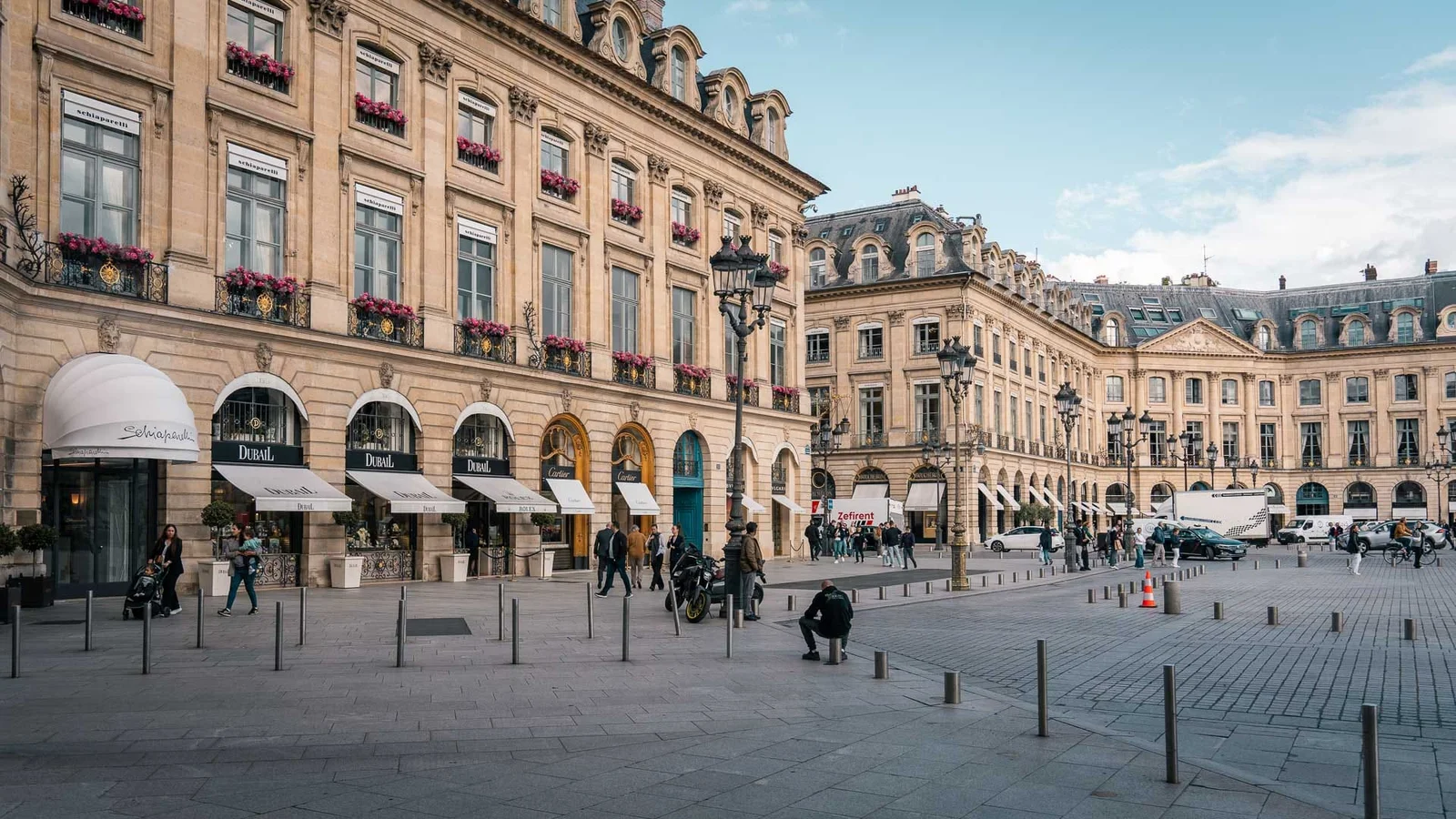
Place Vendôme Jewelers Guide: Navigating The Epicenter Of High Jewelry
Place Vendôme can feel like a beautiful paradox: an open public square that also functions like a private club for high jewellery.
If you’re visiting Paris soon, whether you’re buying or just curious about what you need most, it's not hype or a long brand roll call. You need a plan that keeps you calm, efficient, and hard to upsell.
What follows is the buyer’s field method: how to read the square, shortlist the right maisons, book (or skip) appointments intelligently, and protect a purchase with the right paperwork.
Key Takeaways for Your Visit
- Boucheron (No. 26): A defining Vendôme pioneer, its 1893 move helped set the modern jewelry square template, especially with that corner’s natural light.
- Chaumet (No. 12): Steeped in Napoleonic history; look for the tiara wall inside for a glimpse into royal heritage.
- Van Cleef & Arpels (No. 22):The masters of the Serti Mystérieux (Mystery Set), where no metal prongs are visible.
- Mellerio (Rue de la Paix):While just off the square, they are the world's oldest jewelry dynasty, dating back to 1613.
- Etiquette Tip:Most flagship stores welcome visitors to their ground floor, but Haute Joaillerie viewings and private salons strictly require a prior appointment.
The Sun King’s Blueprint: Why Place Vendôme?
Understanding the allure of the square requires looking at the architecture designed by Jules Hardouin-Mansartin the late 17th century.
The uniform facades were originally a theatrical mask for the city, intended to showcase the power of Louis XIV.
For a jeweler, these buildings offer more than prestige; they offer the "Octagon of Light," where the wide, open space ensures that shadows rarely fall on the display windows.
When Frédéric Boucheron moved here in 1893, he didn't choose his location by chance. He selected the Hôtel de Nocé at number 26 because it received the most sunlight from dawn until dusk.
This strategic choice forced other Maisons to follow suit, turning a residential square into the global headquarters of Haute Joaillerie.
Today, the architecture remains a protected heritage site, ensuring that the experience of shopping here feels like stepping into a living museum.
The square's layout serves as a compass for the connoisseur, where every number on the door represents a chapter in jewelry history.
District Roster
A quick mental map helps: Place Vendôme and Rue de la Paix are one tight luxury loop, but the experience changes by category.
Some houses feel like pure high jewelry temples, heritage, archives, and salon culture. Others are fashion maisons translating couture codes into fine jewelry.
And a third lane in the district is watch-first: if your priority is horology, you’ll get better outcomes treating watches as their own mission rather than an add-on.
The easiest way to stay efficient is to decide which lane you’re in before you step through the first door. Jewelry-first shoppers should prioritize silhouette and wearability.
High-jewelry shoppers should prioritize appointment depth and specialist access. Watch-first shoppers should prioritize movement and service conversation early, then enjoy jewelry browsing as a bonus.
The Pioneers Of The Square
The transformation of Place Vendôme into a jewelry hub began with a few visionary families who saw the potential in its royal associations.
Boucheron: The First At Number 26
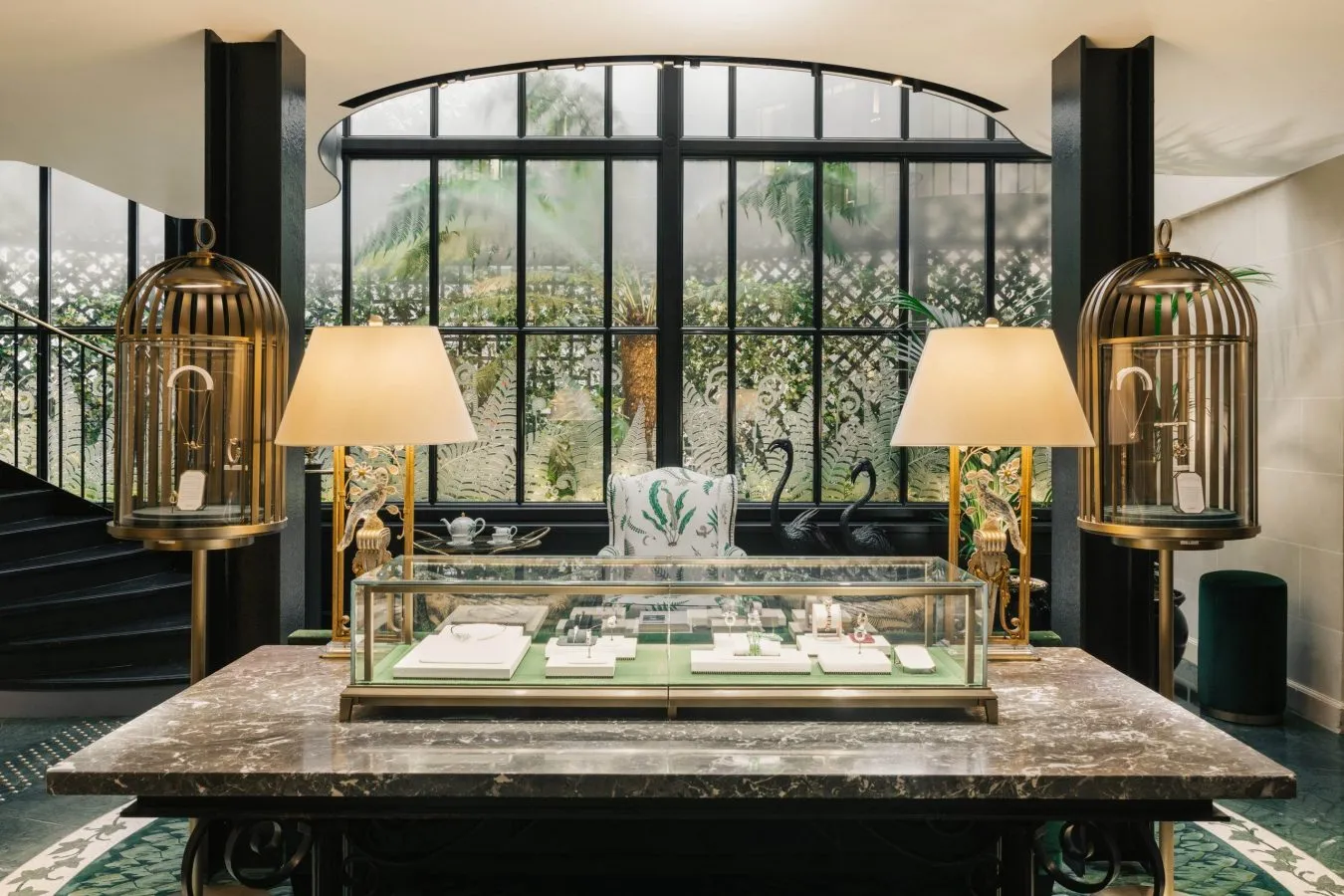
Boucheron remains the soul of the square. Entering their flagship is an exercise in Parisian elegance; the recent restoration has returned the boutique to its Hôtel Particulier roots.
I often suggest clients visit the second floor, where the archives of the house are kept. It was here that the famous Question Mark necklace was conceived, a piece designed without a clasp to allow women to dress themselves without the aid of a maid.
Mellerio: The 400-Year Dynasty
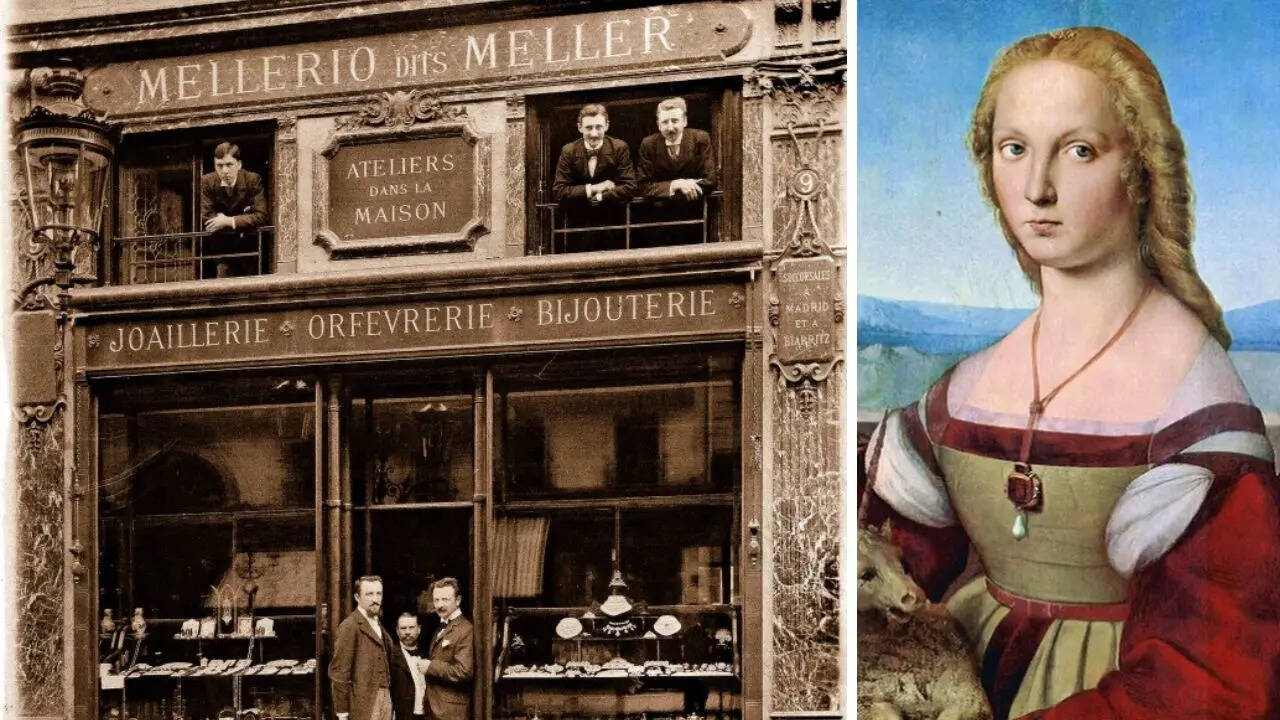
Located at number 9 Rue de la Paix, just steps from the square, Mellerio dits Meller is the oldest jewelry house in the world.
Their history is inextricably linked to the French court, having received a royal decree from Marie de' Medici. To handle a Mellerio piece is to touch a lineage of craftsmanship that has survived every French revolution and empire.
Their signature Mellerio Cut diamond is a must-see for those interested in technical innovation. These heritage houses established the standard of excellence that every newcomer must meet to stay relevant.
The Modern Revolutionaries
In recent decades, the traditional hierarchy of Place Vendôme has been challenged by Couture Jewelers and global luxury conglomerates.
Chanel: From Couture To Coromandel
Chanel Fine Jewelry, at number 18, is a relatively modern addition compared to its neighbors, yet it fits perfectly. Gabrielle Chanel’s first and only fine jewelry collection, Bijoux de Diamants from 1932, was the catalyst.
Today, the boutique overlooks the square with a design that mimics the lines of a Chanel suit. Their use of the camellia flower and the comet motif has created a new, modern lexicon of Haute Joaillerie.
Louis Vuitton And The New Guard
Louis Vuitton’s presence at number 2 has signaled a new era for the square. By hiring world-class artistic directors like Francesca Amfitheatrof, they have brought a bold, architectural edge to traditional jewelry.
Their pieces often feature the LV Monogram star-cut diamonds, a feat of modern gem-cutting that distinguishes them from the historic houses.
This shift shows that Place Vendôme is not just about the past, but also the future of design. The square continues to evolve, proving that even the most historic locations must innovate to survive.
If you’re curious why fashion houses now compete seriously in high jewelry, it helps to understand the business force behind them. Louis Vuitton sits inside LVMH, and Bernard Arnault’sstory is basically the story of how that luxury ecosystem scaled.
The Insider’s Etiquette: How To Visit A Maison
Visiting a jeweler on Place Vendôme is not like visiting a standard boutique. The security is high-level, and the service is intentionally slow to ensure privacy.
Security And The Ring Of The Door
Do not be intimidated by the guards or the locked doors. To enter, you will usually need to press a buzzer and wait for a click. Once inside, you are a guest.
I recommend dressing Parisian Chic; clean lines and a professional demeanor go a long way. Even if you are not buying, the sales associates are generally happy to discuss the history of their pieces if the boutique is not overcrowded.
Practical Logistics
One practical note that makes the day smoother: time your visits like you would a museum. Early and late are often calmer for walk-ins, while mid-day can feel appointment-heavy.
Bring one form of ID, and if you’re buying seriously, have your passport details accessible for paperwork. If you’re shopping for rings, arrive with one or two reference photos and a rough sense of finger size. Those tiny details speed up the experience and reduce the try-on spiral.
The Hallmark Of Authenticity: Look For The Eagle
Here is a secret that separates the tourists from the collectors: the Eagle’s Head (Tête d'Aigle). In France, this tiny stamp is the state’s legal guarantee of 18k gold.
It is often microscopic, hidden on the outside of a ring’s shank or near a necklace clasp. While every Maison provides a certificate, finding the state-stamped hallmark is the ultimate physical proof of French provenance.
Don't be afraid to ask your associate to show it to you through a loupe; it shows you know your craft.
The Art Of The Private Appointment
If you are looking for a specific gemstone or a bespoke jewelry piece, an appointment is mandatory.
This grants you access to the private salons upstairs, away from the ground-floor traffic. These rooms are often where the real history happens, where kings and celebrities have sat for a century.
When booking, mention your specific interests, e.g., I am interested in colored gemstones, to ensure they have the right specialist available for you.
Proper etiquette ensures a seamless experience and opens doors that remain closed to the average tourist.
If you want a simple booking message that works, keep it short and specific: “I’ll be in Paris on [date]. I’m looking for [category] in a style that feels [two adjectives].
My timeline is [when you need it]. Is an appointment available?” That one sentence signals seriousness without overexplaining, and it helps the boutique prepare the right specialist.
The Big Seven: Pillars Of French Heritage
While many brands inhabit the square, five specific names define the Vendôme Style, a combination of rigorous technical skill and whimsical French design.
Chaumet And The Napoleonic Spark
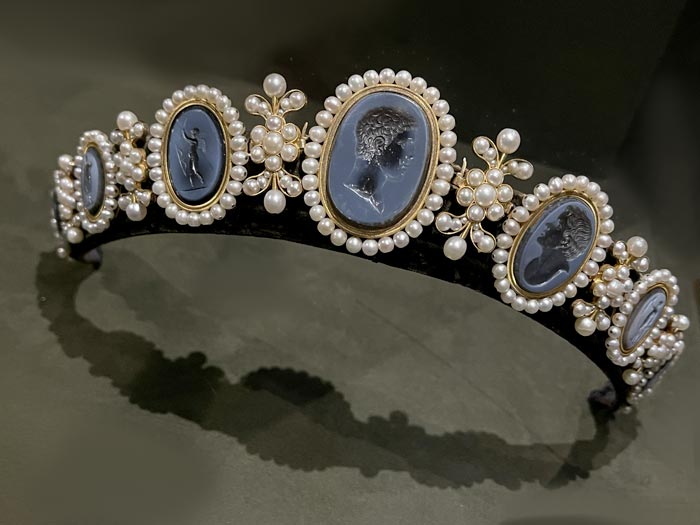
At number 12, Chaumet stands as the jeweler to Empress Joséphine. The Maison is famous for its tiaras, which were essential symbols of status during the First Empire.
Walking through their historic salons, you can see the wheat motif, a favorite of the Empress,s interpreted in gold and diamonds. It is perhaps the most romantic of the houses, focusing on naturalistic forms and sentimental jewelry.
Van Cleef & Arpels: The Poetry Of The Mystery Set
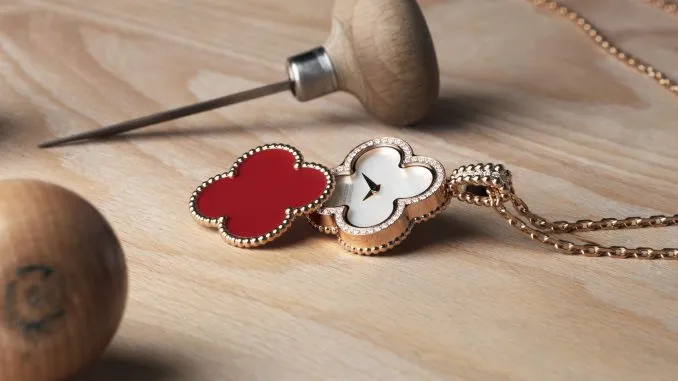
Van Cleef & Arpels, located at number 22, is defined by its innovation. In 1933, they patented the Serti Mystérieux, a technique that allows stones to be set so closely together that the underlying gold frame is completely invisible.
For the visitor, their L'École (The School of Jewelry Arts)nearby offers a rare opportunity to learn the technical why behind their most complex pieces.
Their window displays are often the most creative in the square, changing with the seasons like a theater set.
Cartier: The King Of Jewelers At Number 13
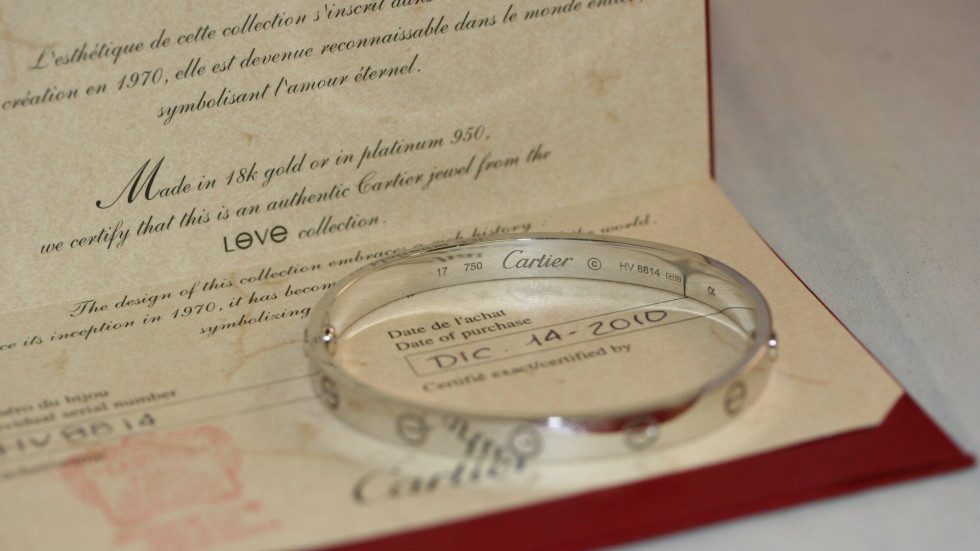
Cartier’s flagship is part of the Vendôme district experience, anchored just off the square on Rue de la Paix, where its style codes and heritage are on full display.
Louis Cartier was a pioneer in using platinum, a metal then reserved for industry, which allowed his artisans to create settings so fine they seemed to disappear.
When you walk into this boutique, look for the Panthère; it is the house’s most enduring symbol, representing a blend of feminine power and fluid movement that has captivated royals and icons for over a century.
Cartier remains the anchor of the square, bridging the gap between historical regality and modern boldness.
Boucheron: The Visionary Of The Hôtel De Nocé
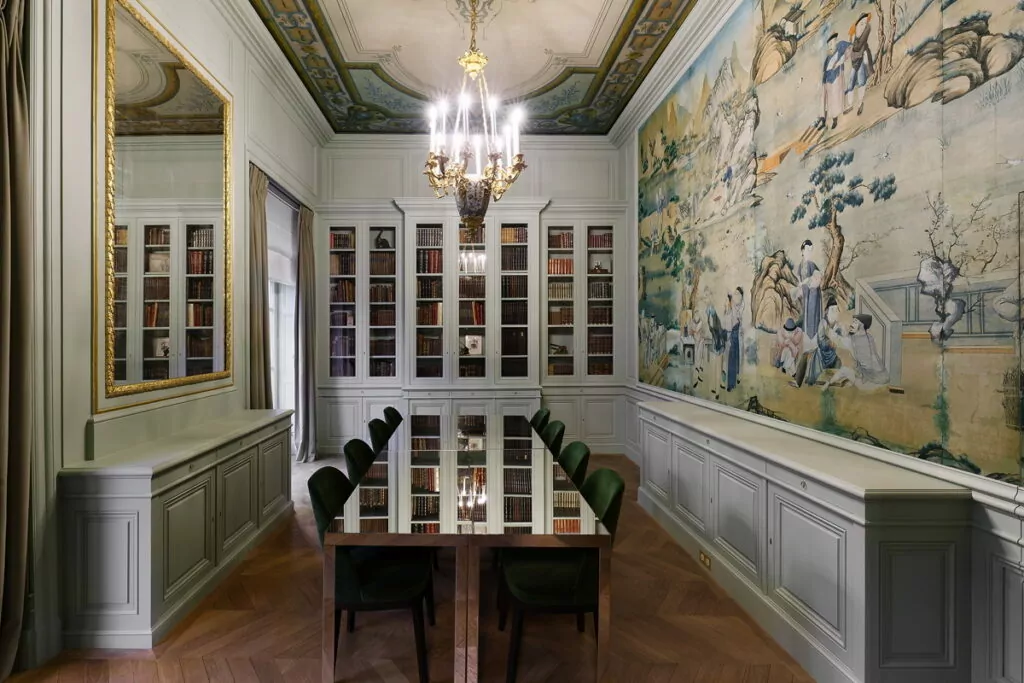
While Boucheron was the first to arrive at number 26, its status as a pillar comes from its relentless pursuit of architectural volume and light.
Frédéric Boucheron famously chose this corner for its exceptional sunlight, which he believed was the only way to truly animate a diamond.
The Maison is celebrated for its Question Mark necklace, a revolutionary piece that wraps around the neck without a clasp, reflecting the brand’s commitment to free-spirited elegance.
Today, a visit to their restored salons offers a glimpse into a world where jewelry is treated as wearable sculpture, often incorporating unconventional materials like rock crystal and marble.
Mauboussin: The Master Of Art Deco And Color
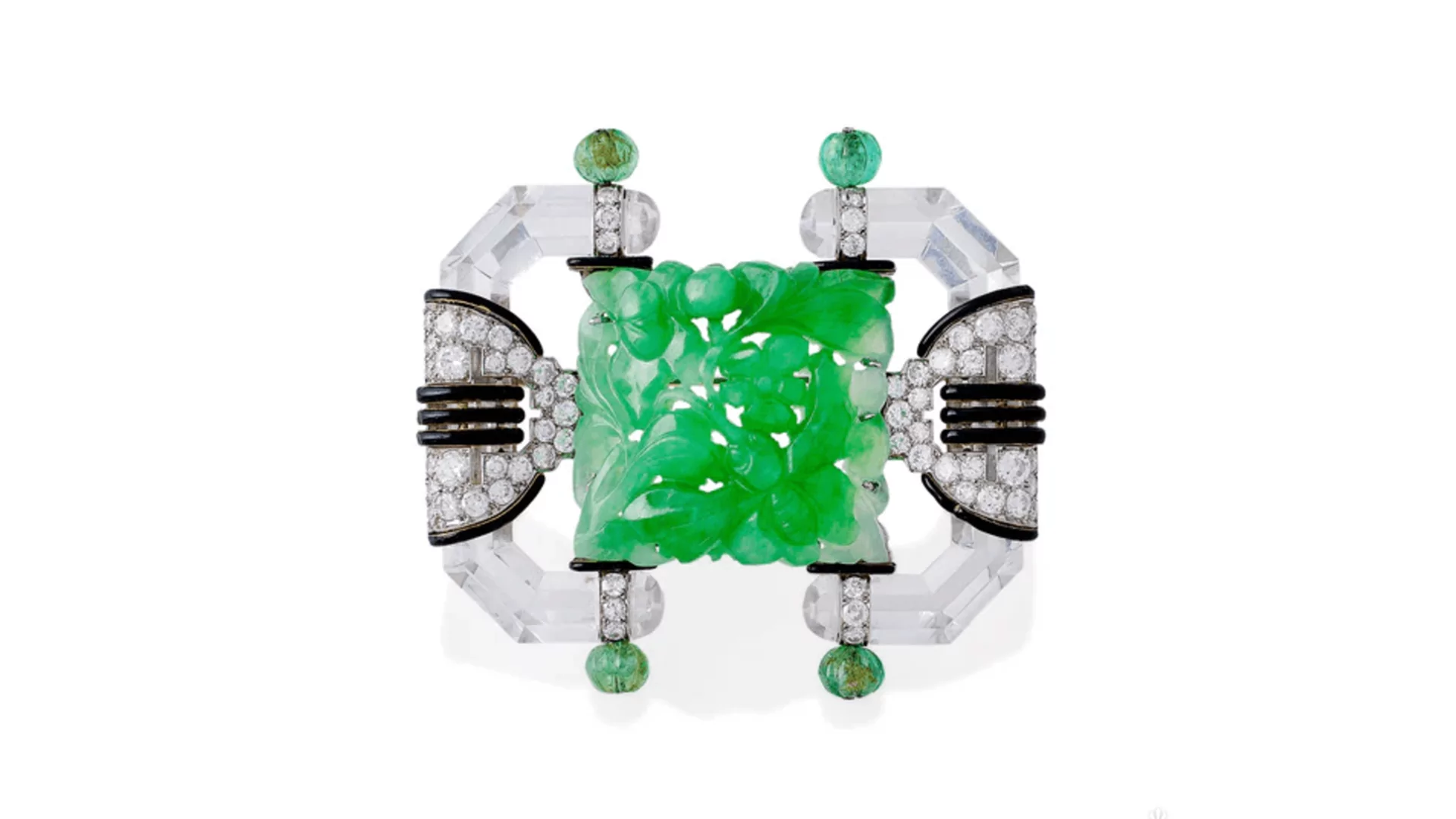
In the Vendôme district, Mauboussin is the house to think about when you want Art Deco energy and confident, colorful lines, strong contrasts, and a more expressive, less quiet luxury mood.
Since 1827, the house has been known for its emotional use of color, often pairing deep sapphires with emeralds in a way that challenged the white-diamond dominance of its peers.
During the 1925 International Exhibition in Paris, Mauboussin cemented its place in the Vendôme hierarchy by winning the Grand Prix for its avant-garde designs.
It remains the destination for those seeking bold, expressive pieces that prioritize artistic flair over traditional restraint.
These pillars represent the height of French luxury, where a single piece can represent thousands of hours of artisan labor.
Repossi: The Minimalist Architect at Number 6
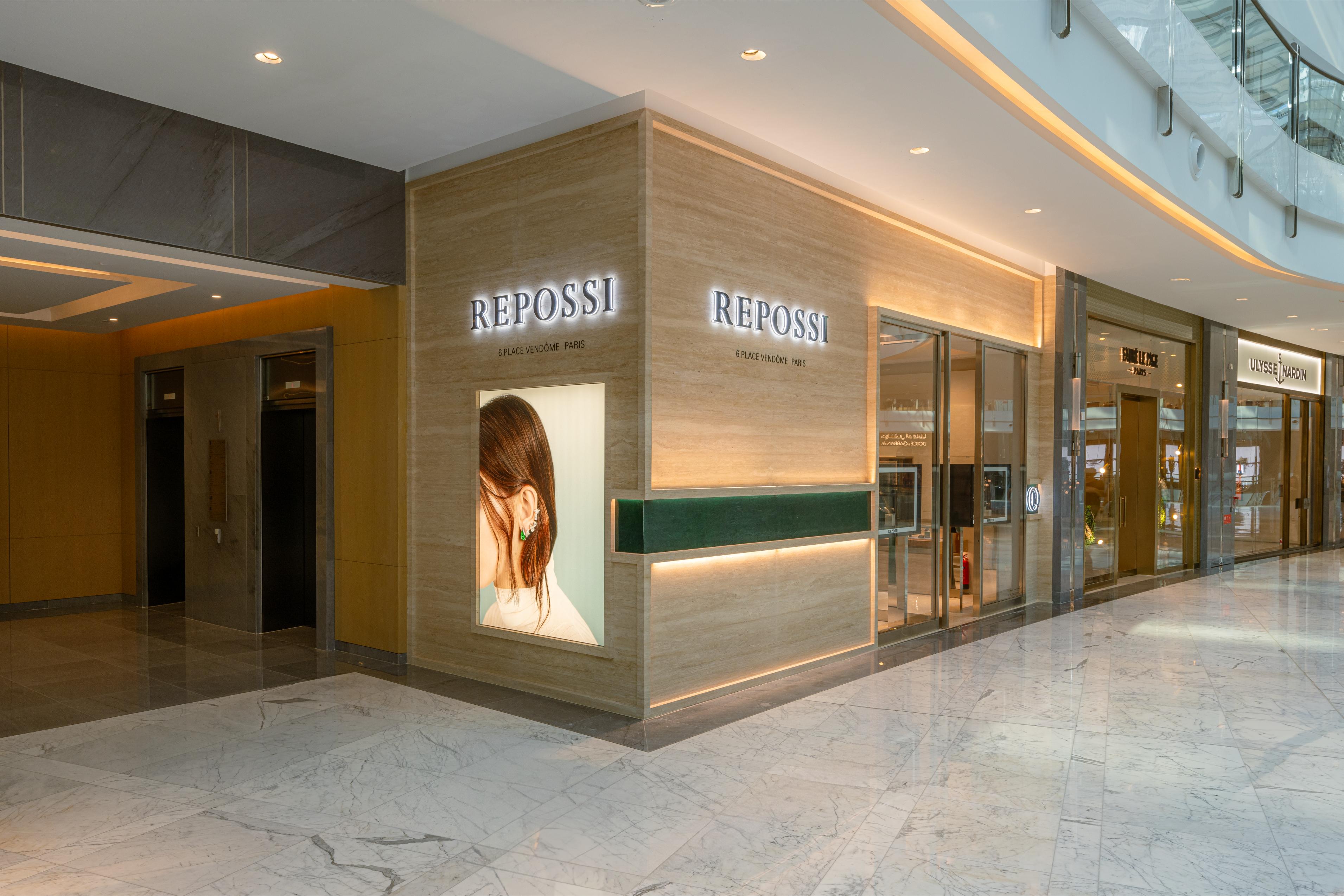
While the Big Seven focus on heritage, Repossi (celebrating 40 years on the square in 2026) is the destination for the "anti-ornate" buyer. Their boutique, designed by Rem Koolhaas, feels like a contemporary art gallery.
If you find traditional settings too heavy, look at their Serti sur Vide (floating) diamonds. It’s a completely different design language that proves you don’t need massive gold prongs to hold a masterpiece.
Messika: The Disruptor of the North Side
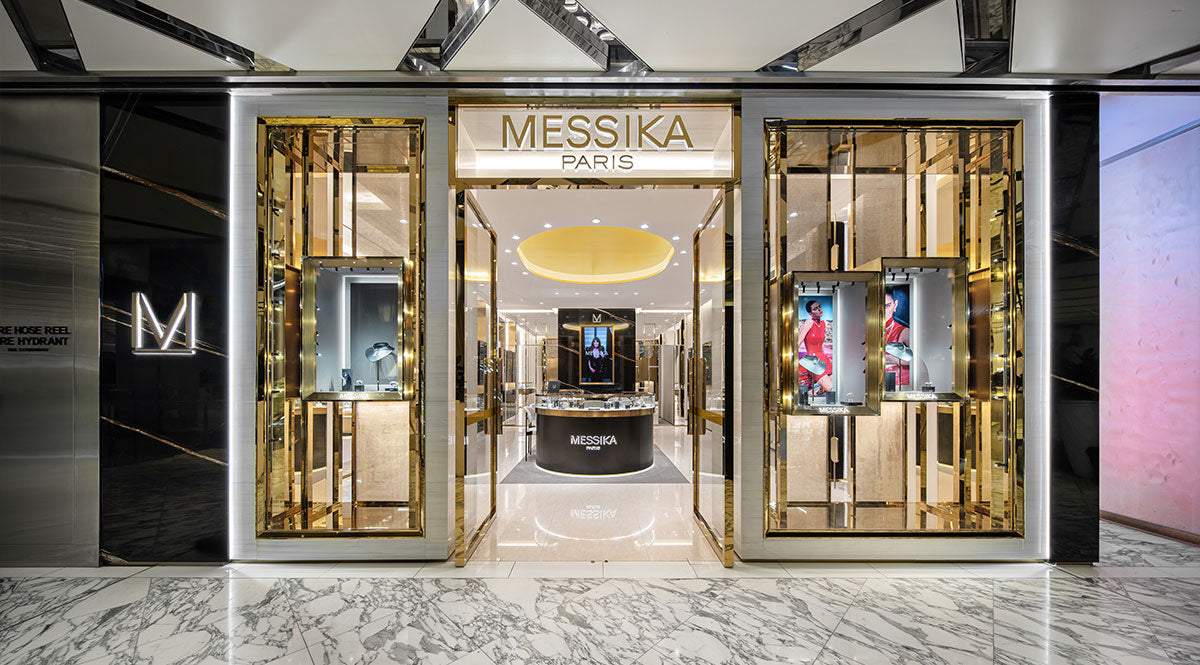
Valérie Messika has done something rare: she made diamonds feel urban. If you’re looking for high-quality pieces that you can actually wear with a white t-shirt and jeans, this is your stop.
Their Move collection, with sliding diamonds, has become a modern icon of the square, proving that luxury in 2026 is about movement, not just status.
A First-Timer’s Map Of Place Vendôme Jewelry Shopping
This section gives you ready-to-use routes, so you don’t burn an hour wandering in aspirational paralysis.
The 90-Minute Reconnaissance Route
If someone has 90 minutes, the win isn’t visiting everything. It’s leaving with a confident shortlist.
Illustrative scenario: A couple lands in Paris for a long weekend. They don’t want to buy on impulse; they want to feel the styles, understand price posture, and identify which maison deserves a longer appointment tomorrow.
90-minute structure
- 15 minutes: Give yourself 15 minutes to do one full loop of Place Vendôme without entering anywhere. This isn’t wasted time; it resets your eye. Window displays here are designed to seduce fast, and the first boutique you enter becomes an unfair benchmark. A loop lets you spot patterns, classic symmetry, graphic architecture, romantic motifs, bold sculptural pieces, and quickly gauge the day’s energy for walk-ins versus appointment-style traffic.
- 45 minutes: Spend the next 45 minutes in two boutiques that match what you just saw. You’re not touring brands; you’re testing how a design language lives on your hand or wrist. Try one or two signature shapes, then something more wearable, and notice comfort, weight, and how pieces move. Choose contrast on purpose, classic vs modern, romantic vs bold, so you learn faster, not longer.
- 20 minutes: Then take 20 minutes to sit nearby and write a quick five-line note while sensations are fresh. Luxury settings blur in memory, so capture specifics: what felt right, what felt off, and what surprised you. Mention practical details, such as snagging, profile height, clasp ease, wrist roll, sparkle in shade, because those decide daily wear. End with the questions you still need answered tomorrow.
- 10 minutes: Use the last 10 minutes to decide whether tomorrow needs appointments or a sharper walk-in plan. If you want customization, stone options, timelines, or a serious comparison, an appointment buys you calm, time, and better answers. If you’re still narrowing style, a focused walk-in circuit can work especially at quieter hours, so long as you keep the shortlist tight. Either way, leave with a clear next step.
Takeaway: Your first visit is reconnaissance, your second visit is where decisions get made.
The Half-Day Buyer Route
If someone has half a day and real intent, the goal is to compare intelligently without exhausting yourself (or the sales teams).
Half-day structure (2-4 hours)
- Stop 1 (60-90 min): Start with your front-runner maison and give it a full 60-90 minutes. This is the stop where you expect the best fit, so slow down enough to test reality: comfort, proportions, and how pieces look in different lighting. Ask focused questions about sizing, ordering timelines, and aftercare so you’re not guessing later. The goal is to leave with a clear yes path and a short list of what you still need to confirm.
- Stop 2 (45-75 min): Next, spend 45-75 minutes at a contrast maison with a noticeably different design language. If your first stop felt classic and symmetrical, choose something more graphic or sculptural; if it felt bold, try something more restrained. This isn’t about undermining your front-runner, it’s about sharpening your decision. Contrast reveals what you truly value: setting height, motif style, metal warmth, or how modern (or timeless) you want the piece to feel.
- Stop 3 (optional, 30-60 min): If you have energy, add a third stop for 30-60 minutes as a wildcard. Use it to explore watches if horology is part of your plan, or pick a niche aesthetic that might surprise you, such as pearls, colored stones, or a more design-led direction. Keep this visit light and curious, not exhaustive. The value of the wildcard is perspective: it either confirms your shortlist or exposes an option you’d regret not considering.
Keep the rest of the day free. High jewelry decisions often need a pause so your yes is clean.
Takeaway: Two strong comparisons beat five rushed visits every time.
When To Book Appointments Vs When To Walk In
Use this simple rule:
- Book an appointment when you want:high jewellery, bespoke, a specific piece, multiple sizes, or a meaningful comparison.
- Try a walk-in when you want:window-to-wrist/hand feel, first impressions, or a quick style read.
French Customs’ VAT process also nudges one practical detail: for major purchases, you’ll often need your passport details for paperwork, so having it with you is useful even before you buy.
If you’re close to buying, treat the paperwork as part of the product. Before you pay, ask what you’ll leave with in writing: an itemized invoice that clearly describes the piece, the warranty and aftercare terms, and any stone documentation that applies to what you’re purchasing.
If you’re eligible for tax-free shopping, confirm the export paperwork process at the moment of purchase, not at the end of the trip, because it’s easier to fix missing details while you’re still in the boutique than when you’re at the airport.
Takeaway: Appointments are not about status; they’re about efficiency and better information.
The 2026 Sunday Exception
Historically, Place Vendôme was a ghost town on Sundays. As of early 2026, several flagship Maisons, including Chanel at No. 18 and Chopard at No. 1, have begun opening on Sundays from 12:00 PM to 7:00 PM.
If your schedule is tight, use Sunday for your Reconnaissance Route when the square is quieter and the vibe is slightly more relaxed.
Frequently Asked Questions (FAQ)
What Is Place Vendôme In Paris?
A historic square in Paris’s 1st arrondissement known for prestigious architecture and a concentration of luxury maisons, especially high jewellery and watches.
Is Place Vendôme Worth Visiting If I’m Not Buying?
Yes. It’s an easy, photogenic stop for architecture and window displays, and you can step into one boutique to understand the service culture.
Which Luxury Brands Are In Place Vendôme?
The Place Vendôme Rue de la Paix area hosts many famous houses; verify current boutique locations on official brand sites before you go.
Do I Need An Appointment To Shop For Place Vendôme Jewelry?
For high jewellery, bespoke, or focused comparison shopping, appointments help. For browsing and first impressions, walk-ins often work when boutiques are quiet.
How Much Time Do I Need At Place Vendôme?
Plan 60-120 minutes for window-shopping and one quick boutique visit. Set aside 2-4 hours if you’re comparing multiple maisons seriously.
What Should I Wear To A Place Vendôme Boutique?
Smart and comfortable. Understated, polished clothing helps you feel confident, but boutiques don’t require formalwear.
What’s The Difference Between Place Vendôme And Rue De La Paix?
They function as one luxury jewelry district. Rue de la Paix extends your options and makes side-by-side comparison easier.
How Do I Choose Which Maison To Visit First?
Start with your goal rings, high jewellery, watches, then pick 2-3 maisons that match your style and timeline. Go to the front-runner first.
Can I Buy A Tax-Free Vat Refund On Jewelry In France?
Many eligible non-EU visitors can, with the right paperwork and customs validation at departure, often via PABLO when leaving France. (Data as of February 2026.
What Documents Should I Ask For When Buying Jewelry?
Ask for an itemized invoice, warranty/aftercare terms, and any gemstone documentation relevant to the piece. Clear paperwork is part of purchase safety.
How Do French Hallmarks Help With Authenticity?
French precious metal guarantee marks can support confidence about metal fineness, and they complement (not replace) maison documentation.
Is It Rude To Compare Multiple Maisons?
Not if you’re respectful and transparent. Serious buyers compare; the key is being clear about what you’re evaluating and your timeline.
Can Boutiques Ship Purchases Internationally?
Often yes, but policies vary by destination and house. Ask early so insurance, customs paperwork, and timing don’t become last-minute surprises.
Are There Bespoke Or Independent Jewelers Near Vendôme?
Yes! Beyond the major maisons, the wider district includes ateliers and designer jewelers that can suit custom projects or niche aesthetics.
What’s The Best Way To Avoid Feeling Intimidated?
Use structure: a shortlist, a time-box, and three prepared questions. When you sound clear, you’ll be treated like a serious client because you are.
Final Thoughts
Place Vendôme is at its best when you stop trying to cover it and start trying to understand it. Decide your goal, shortlist two or three stops across Vendôme and Rue de la Paix, and walk in with questions that make the conversation productive.
Then protect your yes with clean documents and clear aftercare. If you want one, next step: save your shortlist, write your three-question script, and book one appointment.
Your future self will feel the difference. Is this already high-quality? Compare it with top-ranking sources from Google and let me know if we missed something, or if we should add more info, etc