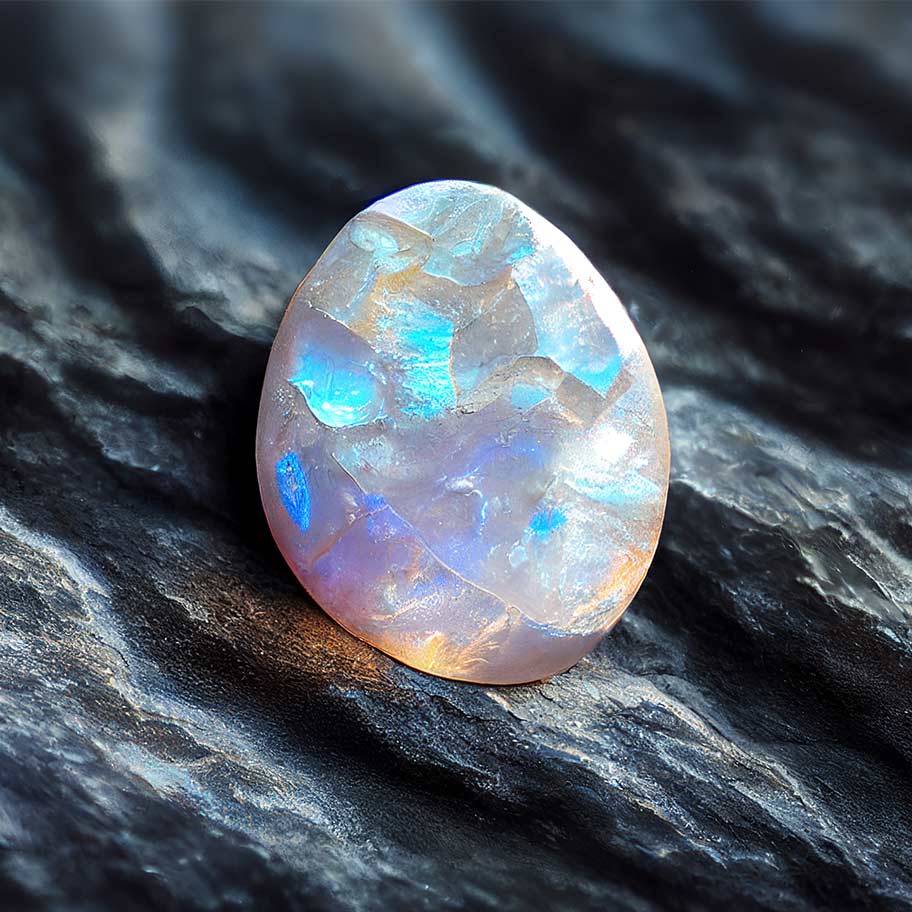
Moonstone, with its captivating shimmer and unique optical properties, has mesmerized humans for centuries. A member of the feldspar family, it is not just a beautiful gemstone but also one laden with cultural significance, healing properties, and a mystical allure. From ancient civilizations to modern-day jewelry, moonstone has played a key role in shaping the world’s gemstone culture.
What Is Moonstone? A Brief Overview
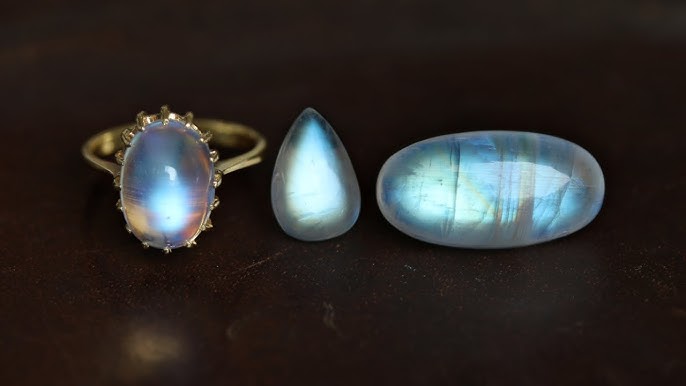
Moonstone is a variety of feldspar, a mineral family that includes several other popular gemstoneslike Labradorite and Sunstone. Its scientific name is potassium aluminum silicate, but its allure lies not in its chemical makeup but in the optical phenomena it exhibits.
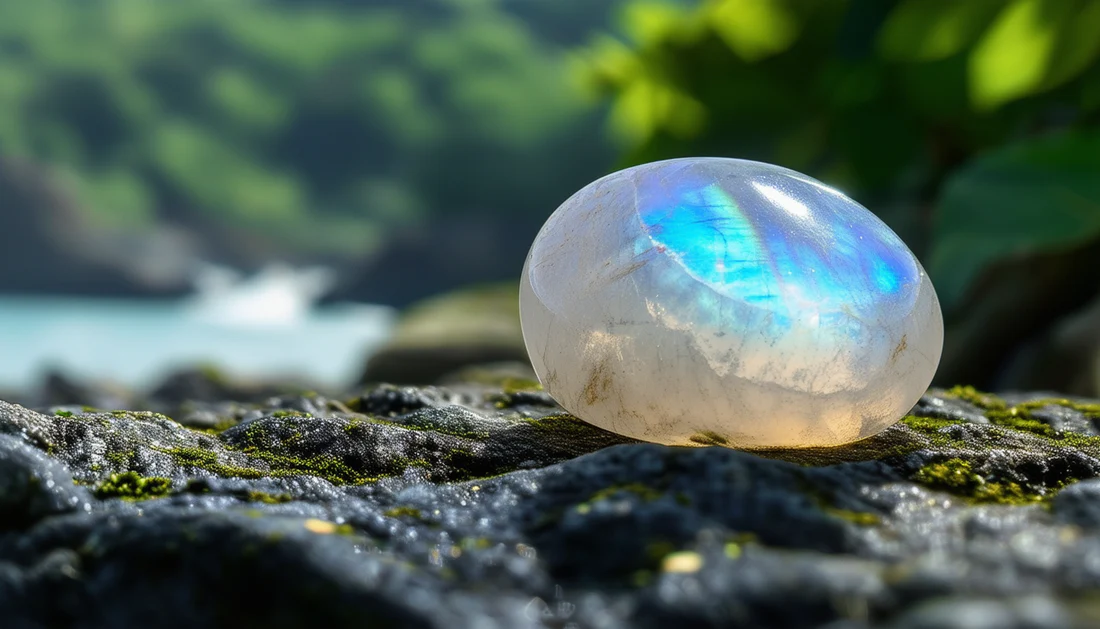
This phenomenon, known as adularescence, causes moonstone to glow with a soft, ethereal light, giving it an almost mystical quality. When light hits the surface of moonstone, it creates a unique glow that shifts and changes depending on the angle of view, making it a sought-after stone for jewelry and spiritual purposes alike.
Understanding The Unique Optical Phenomenon: Adularescence
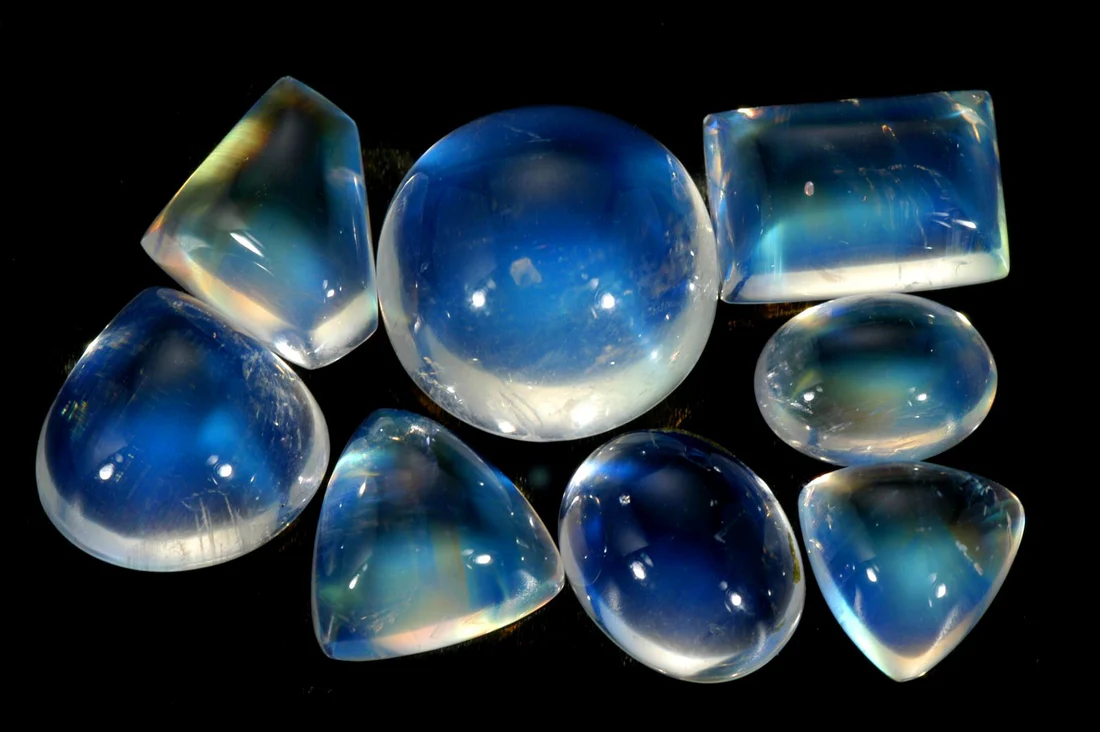
At the heart of moonstone’s allure lies adularescence a visual effect that occurs when light is diffracted through the stone’s internal structure. Moonstone’s internal layers consist of orthoclase and albite feldspar, creating a microstructure of alternating layers.
The light passes through these layers, bending and refracting to create the stone’s signature glow. The play of light can vary from white to blue, with some stones displaying hues of peach, yellow, or gray.
The Origins And Geological Significance Of Moonstone
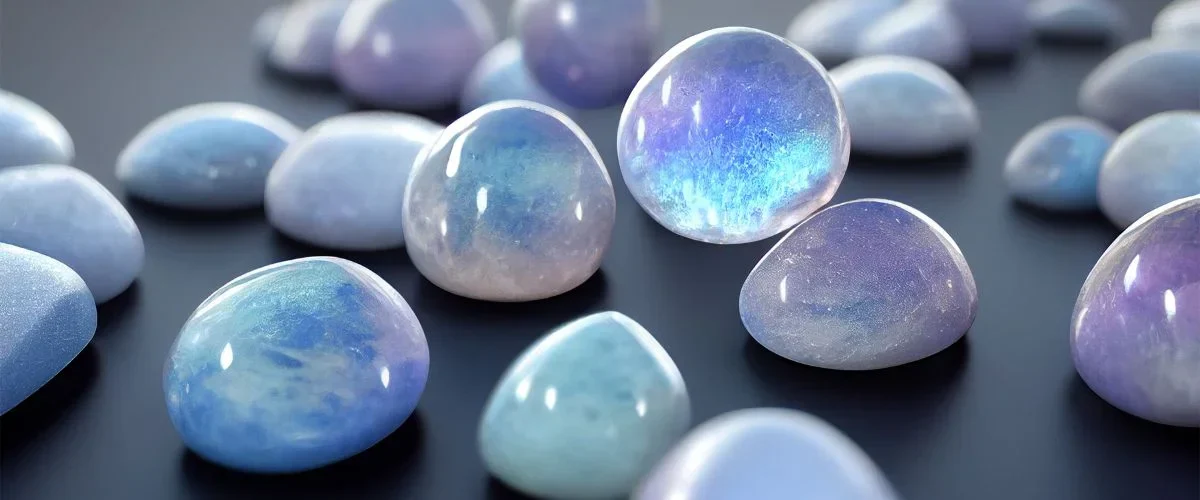
Moonstone is primarily found in locations known for producing high-quality feldspar, including Sri Lanka, India, Myanmar, Madagascar, and the United States. The most prized moonstones come from Sri Lanka, which is known for its exceptional blue sheen.
Historically, the best examples of moonstone with a strong blue hue came from Myanmar, but the rise of Sri Lankan moonstone deposits has made this region the leading source of moonstone in the global market.
Moonstone can form in igneous rocks and is often found in granite or pegmatite deposits. The quality of moonstone is judged by its transparency, the strength of its adularescence, and its overall color saturation.
See Also: Zultanite Gemstone - A Timeless Jewel With Color-Shifting Magic
Geological Facts About Moonstone:
- Moonstone Composition: Composed primarily of orthoclase and albite feldspar.
- Common Locations: Sri Lanka, India, Myanmar, Madagascar, USA.
- Preferred Qualities: Transparent stones with strong blue sheen.
Cultural And Historical Significance Of Moonstone
The allure of moonstone dates back thousands of years. In ancient Rome, moonstone was associated with the moon goddess Selene, who was believed to embody the powers of the lunar phases.
Romans also believed that the stone could bring good fortune and help one connect with the divine. Similarly, in ancient Greece, moonstone was linked to Artemis, the goddess of the hunt and the moon.
In the Art Nouveau era, French goldsmith René Lalique and other artisans popularized the use of moonstone in jewelry, further cementing its association with the mystical and the ethereal. During this period, moonstone’s captivating play of light became a symbol of beauty, mystery, and the divine feminine.
Today, moonstone is the official gemstone of Florida, a state chosen for its connection to space exploration and the Apollo missions.
Cultural Importance Of Moonstone:
- Romans and Greeks: Believed to be imbued with divine power.
- Art Nouveau: Used by artists like René Lalique for symbolic beauty.
- Florida’s State Gemstone: Chosen to commemorate the Apollo missions.
The Color Spectrum Of Moonstone: What You Need To Know
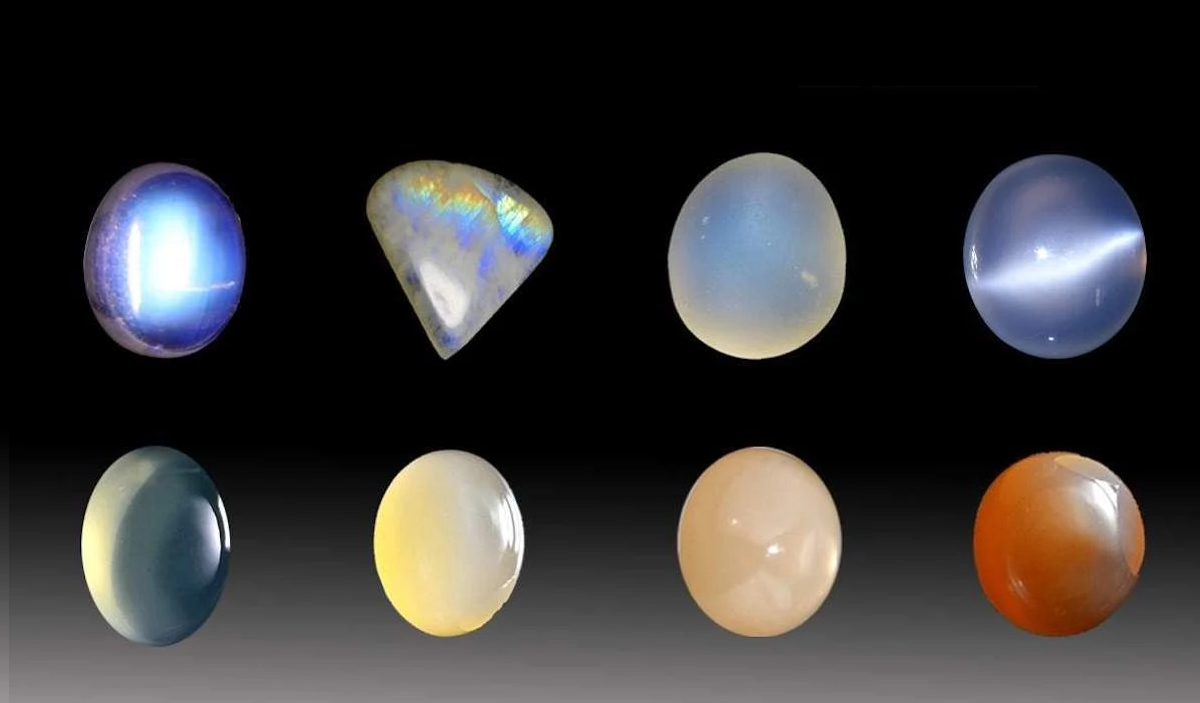
While the classic moonstone is typically white or colorless, it can be found in a spectrum of colors, including blue, peach, gray, and even green. Each color variant holds its own significance and appeal.
- Blue Moonstone: Considered the most coveted variety, known for its deep blue sheen, commonly found in Sri Lanka.
- Peach and Yellow Moonstone: Often associated with warmth, these hues are popular for those seeking a more subtle, pastel glow.
- Gray and Green Moonstone: These varieties are typically more opaque but still exhibit adularescence when cut and polished properly.
Moonstone Color Variations:
- Blue Moonstone: Rich, ethereal blue glow; highly prized.
- Peach and Yellow Moonstone: Soft, warm tones, often used for healing.
- Gray and Green Moonstone: Subdued, yet still captivating with gentle shimmer.
The Healing And Spiritual Properties Of Moonstone
Moonstone has long been associated with a variety of spiritual and healing properties. It is often considered a stone of intuition, helping those who wear it tap into their inner wisdom.
Related: Colorado Gemstones - Nature’s Hidden Masterpieces Beneath The Rockies
Many people use moonstone to balance emotions and relieve stress, believing that it can soothe the mind and spirit.
- Emotional Healing: Known to enhance intuition and provide calm, balance, and emotional stability.
- Feminine Energy: Linked with the moon, moonstone is often regarded as a symbol of the feminine and is used to support fertility and menstrual health.
- Astrological Connections: Moonstone is said to resonate strongly with Cancer, Pisces, and Scorpio zodiac signs.
Spiritual Benefits Of Moonstone:
- Enhances intuitionand emotional stability.
- Feminine energy: Associated with fertility, pregnancy, and menstrual health.
- Healing benefits: Supports digestive health, hormonal balance, and relaxation.
Moonstone Jewelry: A Stunning And Versatile Gemstone
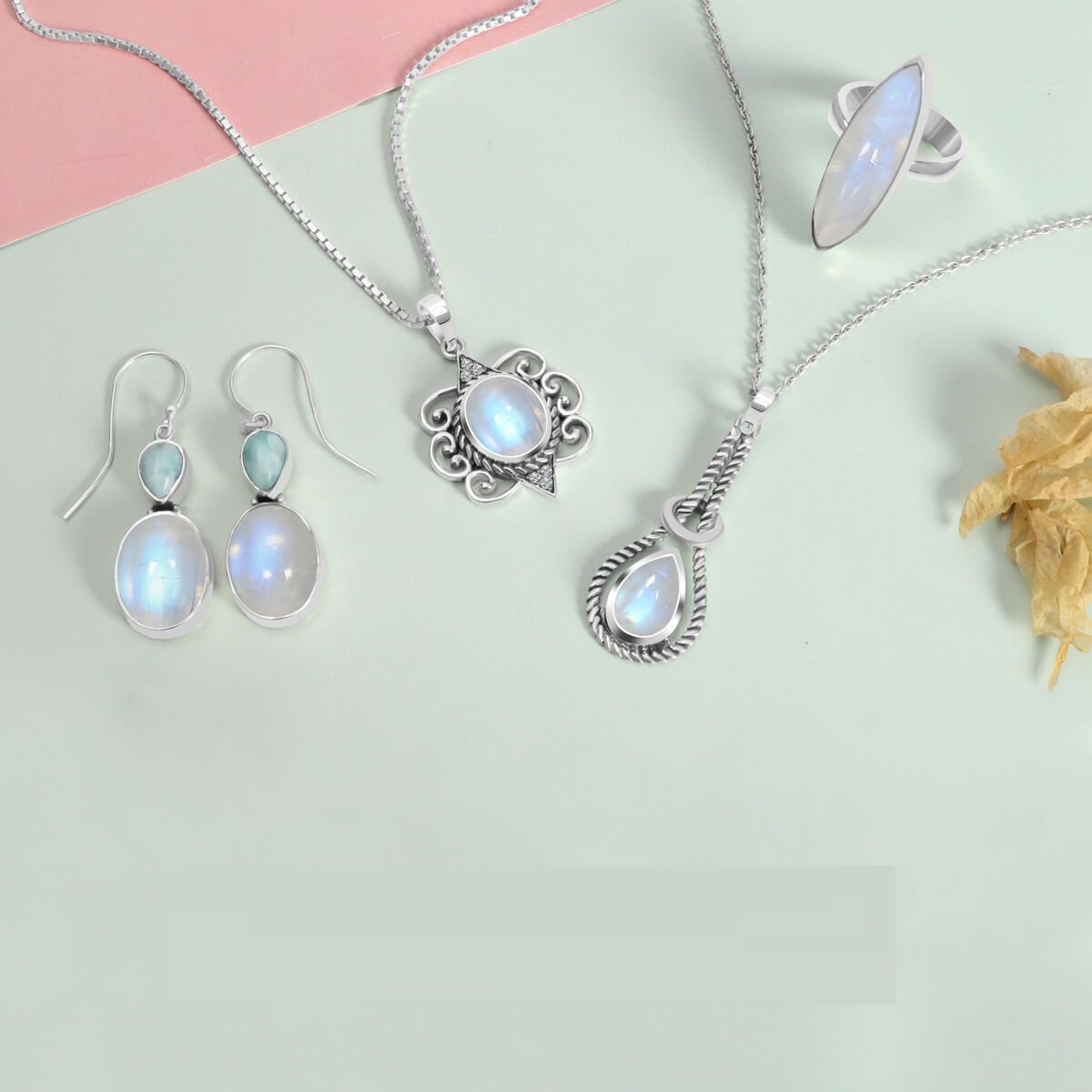
Moonstone is a popular choice in fine jewelry, known for its ability to complement any outfit with its gentle shimmer. Its versatility makes it perfect for a range of jewelry styles, from vintage ringsto modern necklacesand earrings.
- Moonstone Rings: A classic choice, often used for engagement ringsor as a statement piece.
- Earrings and Necklaces: Moonstone’s delicate glow makes it an ideal accent for earrings and pendants.
- Bracelets: Subtle yet beautiful when set in simple designs or more intricate pieces.
How To Wear Moonstone:
- Casual Wear: Great for everyday jewelry, adding a mystical touch to any outfit.
- Formal Occasions: Adds an ethereal element to evening wear and formal events.
How To Buy And Care For Moonstone Jewelry
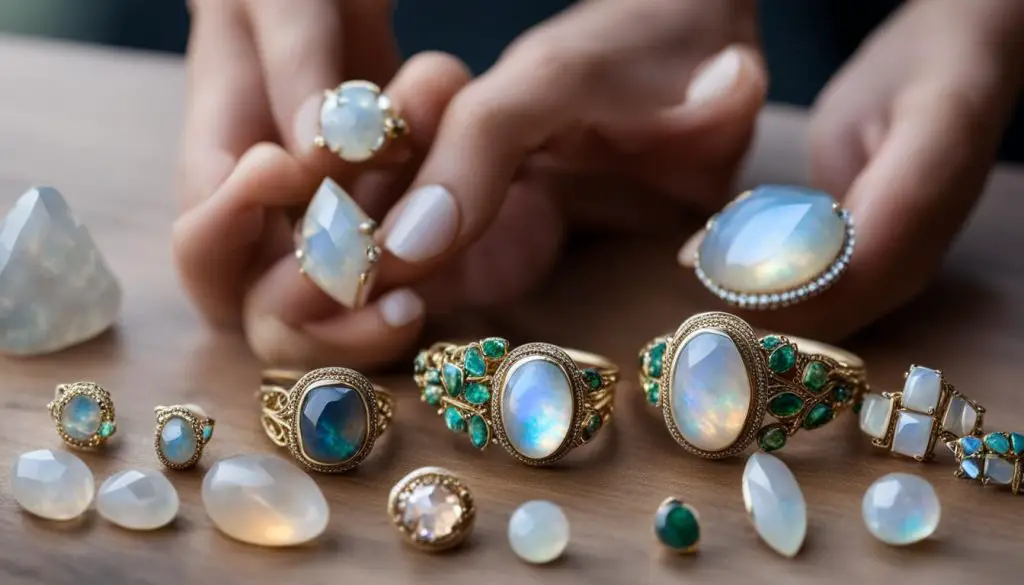
When purchasing moonstone, consider factors such as color, clarity, and the intensity of the adularescence. Higher-quality stones with a prominent blue sheen are the most valuable.
To keep your moonstone jewelry looking its best:
- Avoid exposure to harsh chemicalsor extreme temperatures.
- Store it properlyto prevent scratches use a soft cloth and a jewelry box.
- Clean with care: Gently wash moonstone with warm water and mild soap to remove dirt and oils.
Watch Also
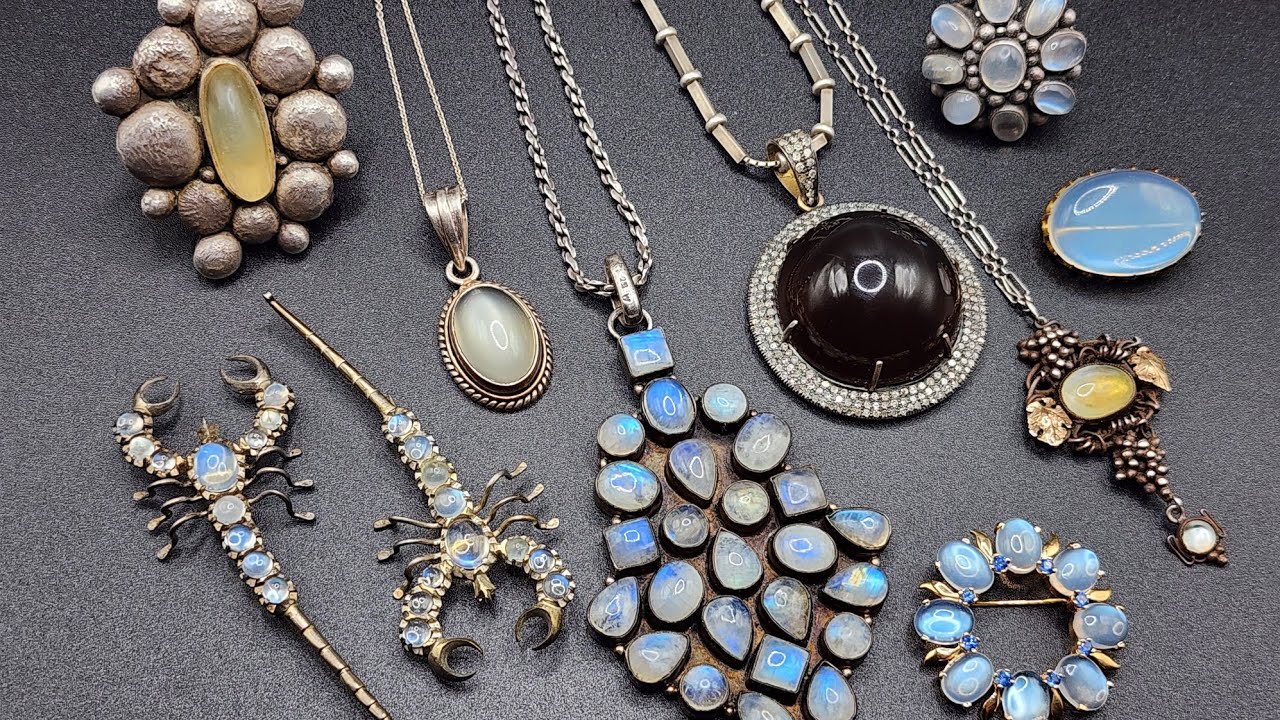
DISCOVER MOONSTONE: Gemstone of the SOLAR ECLIPSE Antique & Vintage Jewelry Collection #eclipse
FAQs About Moonstone Gemstone
Is Moonstone Suitable For Everyday Wear?
Yes, moonstone is durable for daily wear but should be handled with care to avoid scratches.
Can Moonstone Be Worn By Anyone?
Moonstone is suitable for most people, though those with sensitive skin should check for any allergic reactions.
What Zodiac Signs Are Associated With Moonstone?
Moonstone is most beneficial for Cancer, Pisces, and Scorpio.
How Can I Tell If My Moonstone Is Genuine?
Look for the distinct adularescence effect, and check for certification from trusted gemologists.
Can Moonstone Heal Emotional Wounds?
Many believe that moonstone helps balance emotions, making it a great tool for emotional healing and stress relief.
Conclusion
Moonstone remains one of the most enchanting and multifaceted gemstones. Whether you are drawn to its stunning glow, its cultural significance, or its spiritual benefits, moonstone is sure to captivate your heart. With its ethereal beauty, moonstone remains a timeless choice for those seeking a stone that is not only beautiful but also rich in meaning.
Read Also: What Is Black Hills Gold Jewelry? History, Style & Craftsmanship