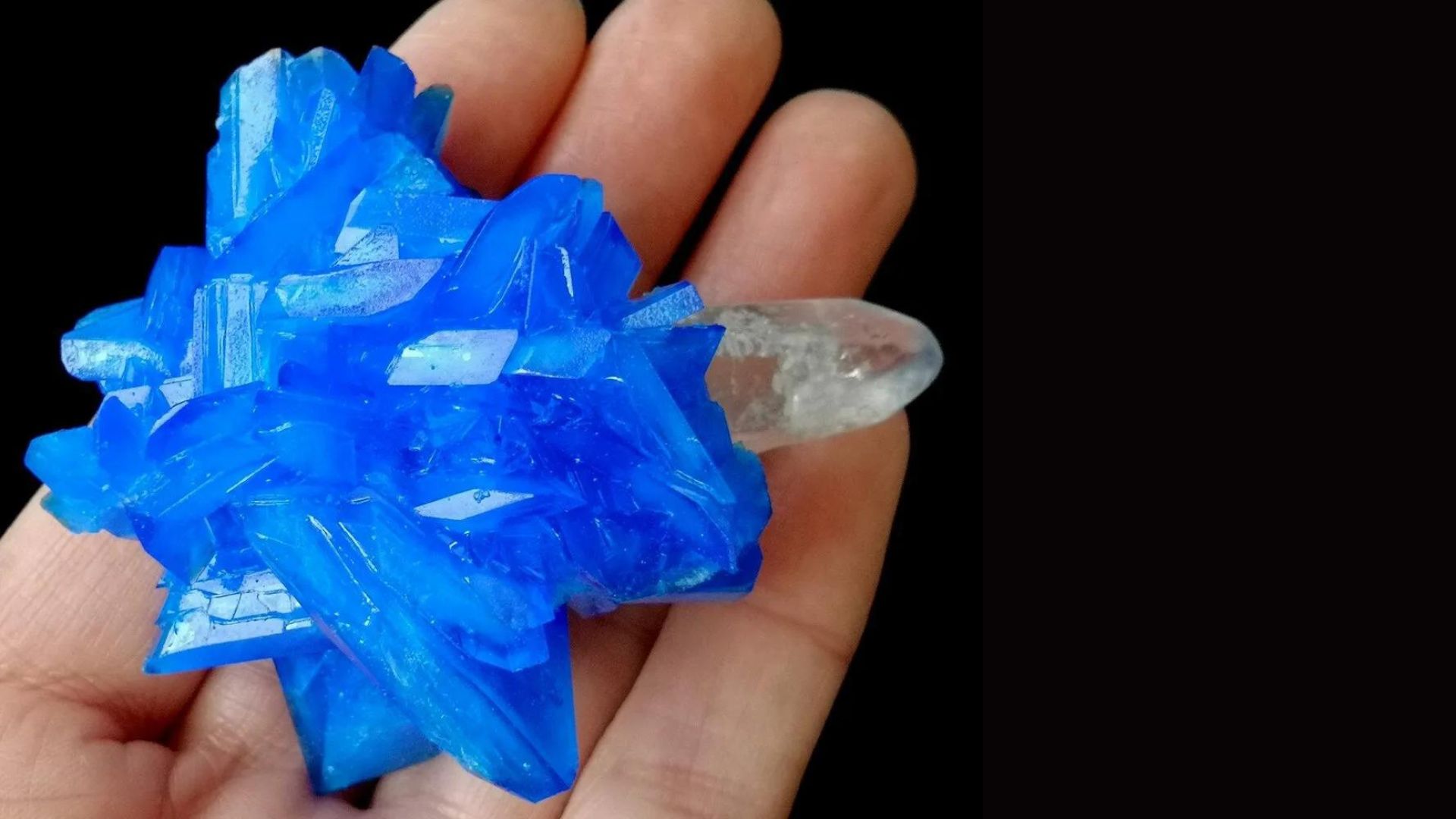
Blue Smithsonite, a captivating gemstone known for its ethereal blue hues, has enthralled gem enthusiasts and collectors alike. Its mesmerizing beauty, rarity, and unique metaphysical properties make it a sought-after addition to any gemstone collection.
In this comprehensive guide, we will learn the origins, properties, uses, and significance of Blue Smithsonite, shedding light on why it holds a special place in the world of gemstones.
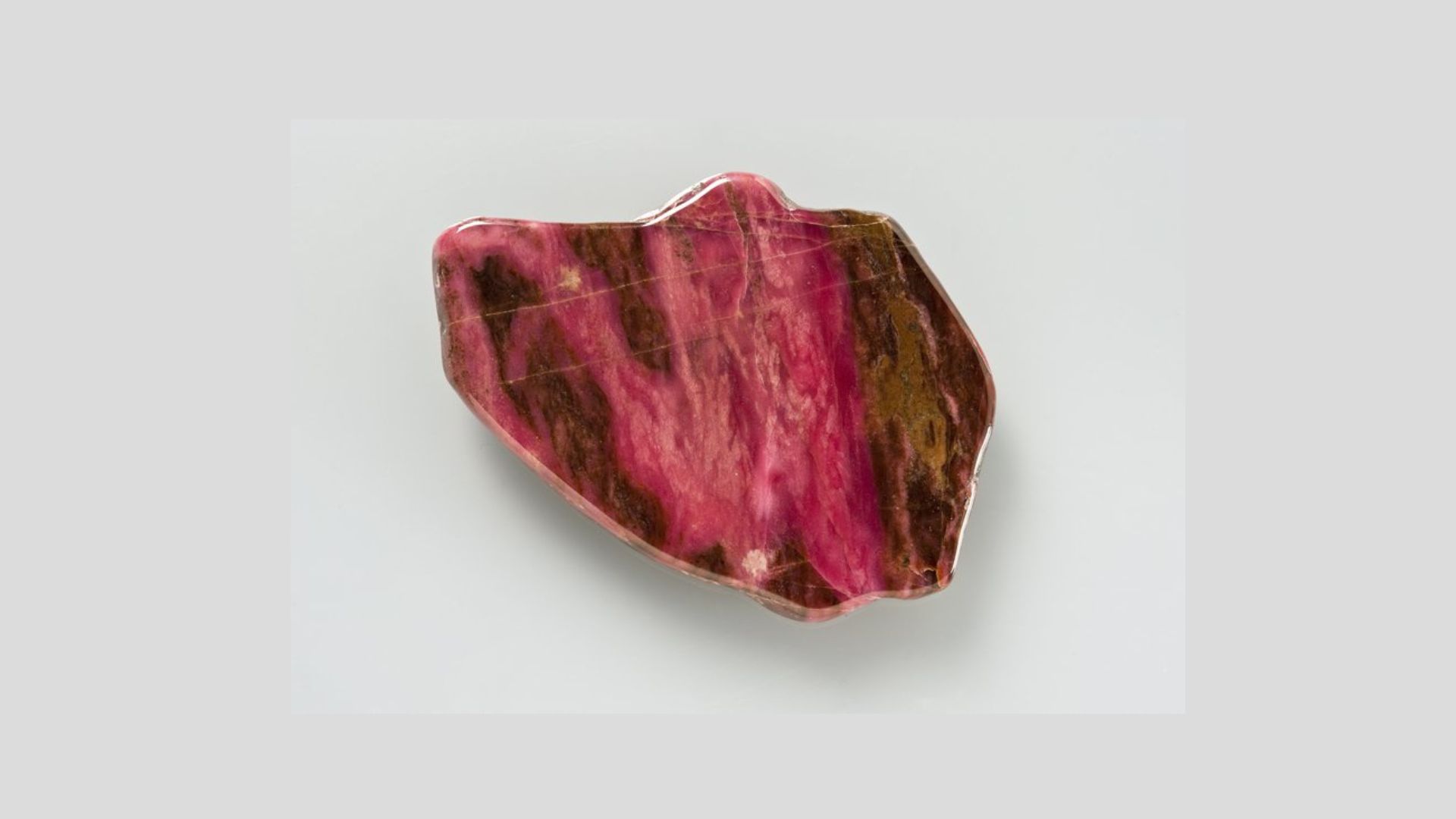
What Is Blue Smithsonite?
Blue smithsonite, also known as Zinc Spar, is a zinc carbonate mineral with the chemical formula ZnCO3. It belongs to the calcite mineral group and is the zinc-dominant (Zn) end member in a series with iron-dominant (Fe) siderite.
This mineral is prized for its captivating blue hues, ranging from delicate sky blue to intense electric blue. While it occurs in various colors, the blue variety is particularly sought after by collectors and gem enthusiasts.
Smithsonite most commonly forms in botryoidal masses, resembling grape-like clusters, and stalactitic formations. However, finding it in its crystallized form, which is rhombohedral shaped, is a rare occurrence.
The color of blue smithsonite is primarily attributed to the presence of copper impurities within its crystal structure. The mineral can exhibit a vitreous to pearly luster, adding to its visual appeal. Its transparency ranges from transparent to translucent, and it has a Mohs hardnessof 4 to 4.5, making it a relatively soft mineral.
The Captivating Color: Understanding Blue Hues
The captivating blue color of smithsonite is primarily due to the presence of copper impurities within its crystal structure. However, the exact cause of the color is a subject of ongoing research.
Some sources suggest that inclusions of aurichalcite may also contribute to the intense blue hues observed in certain specimens, particularly those from the Republic of Congo. While traces of cobalt and cadmium have been cited as causes of other colors in smithsonites, their role in blue coloration is less clear.
Blue smithsonite exhibits a range of shades, from the palest sky blue to deep electric blue and teal. Rarer and more expensive colors include pale to mint green, jade green, pink, yellow, and colorless to almost colorless. Chatoyant smithsonite, displaying a cat's-eye effect, is exceptionally rare, highly sought after, and highly valued.
Regardless of the specific causes, the colors of smithsonites benefit greatly from the gem's considerable dispersion, also known as "fire." This optical property causes light to break into its spectral colors, adding to the gem's brilliance and visual appeal.
Formation And Geological Properties
How Blue Smithsonite Forms
Blue smithsonite is primarily a secondary mineral, meaning it forms through the alteration of pre-existing minerals. Specifically, it is found in the oxidized zones of zinc ore deposits, where weathering and chemical reactions transform primary zinc minerals.
The formation process typically involves the following steps:
- Weathering:Primary zinc minerals, such as sphalerite, are exposed to weathering processes, including rain and groundwater.
- Oxidation:These processes lead to the oxidation of the zinc minerals, releasing zinc ions into the surrounding environment.
- Carbonation:The zinc ions react with carbonate ions in groundwater, resulting in the precipitation of zinc carbonate, which crystallizes as smithsonite.
Blue smithsonite is commonly associated with other secondary minerals, including hemimorphite, aurichalcite, and malachite, which often occur in the same geological environments. The vibrant blue coloration of smithsonite is primarily attributed to the presence of copper or aurichalcite inclusions within its crystal structure.
Smithsonite typically crystallizes in several forms:
- Botryoidal masses:These are grape-like clusters of rounded crystals, which are the most common form.
- Druzy coatings:These are thin layers of small crystals that coat the surface of rocks.
- Rare rhombohedral crystals:These are well-formed crystals with a distinctive rhombohedral shape, which are highly prized by collectors.
Composition And Structure
| Property | Description |
| Chemical Formula | ZnCO₃ (Zinc Carbonate) |
| Crystal System | Trigonal |
| Hardness | 4.5 - 5 on the Mohs scale |
| Luster | Waxy to vitreous |
| Transparency | Translucent to opaque |
| Fracture | Conchoidal to uneven |
While pure smithsonite is colorless or white, impurities introduce stunning hues. The blue colorationis typically due to copperor aurichalcite (a zinc-copper carbonate mineral) inclusions.
Notable Locations
Blue Smithsonite is found in several mineral-rich regions worldwide, with each deposit producing unique variations:
- Africa:Tsumeb, Namibia (yellowish, pinkish, and green facetable crystals); Broken Hill, Zambia (transparent crystals); Republic of Congo (electric-blue smithsonite, possibly due to aurichalcite inclusions).
- Americas:Kelly Mine, Socorro County, New Mexico, USA (celebrated blue and blue-green material); Mexico (material with much color variation, including bi-colors, pink and bluish crusts); Marion County, Arkansas, USA (yellow, banded crusts); California, USA; Colorado, USA; Georgia, USA; Montana, USA; Utah, USA.
- Asia:China; Japan.
- Europe:Laurium, Greece (fine blue and green crystals); Masua and Monteponi mines in Sardinia, Italy (translucent, deep yellow, banded material - mines now closed); Spain; United Kingdom; Algeria; Austria; Belgium; France; Germany.
- Oceania:Australia (yellow material).
This mineral's rarity, combined with its stunning visual appeal, makes it a highly desirable addition to both mineral collections and lapidary work.
Related: Grape Crystals - Meaning, Types, Chakra Healing & Benefits
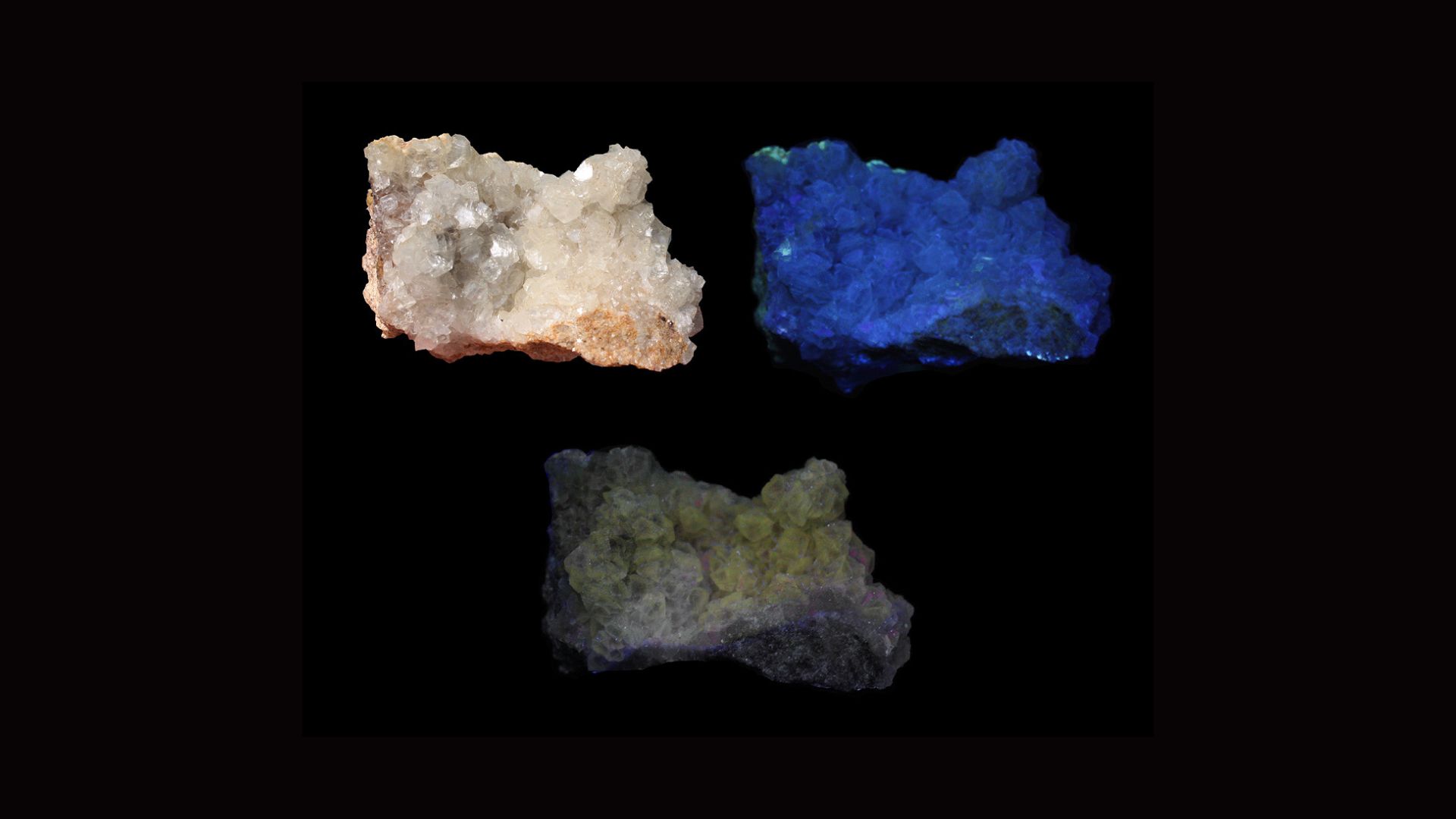
Smithsonite History
The history of smithsonite is intertwined with that of another zinc mineral, hemimorphite. For many years, both minerals were known collectively as "calamine."
The term "calamine" itself has ancient roots, derived from lapis calaminaris, a Latin corruption of the Greek cadmia(καδμία), the old name for zinc ores in general. This name also drew inspiration from the Belgian town of Kelmis, whose French name is "La Calamine," a site of a significant zinc mine.
The first scientific description of "calamine" is attributed to Johan Gottschalk Wallerius in 1747. However, it wasn't until the early 19th century that the two distinct minerals were recognized. In 1802, English mineralogist James Smithson, the founding donor of the Smithsonian Institution, identified smithsonite as a separate mineral.
In 1832, French mineralogist François Sulpice Beudant officially differentiated smithsonite from hemimorphite, naming it in honor of James Smithson. This separation was based on their distinct chemical compositions and crystal structures.
Historically, calamine, which included both smithsonite and hemimorphite, played a crucial role in various industries. In the 16th and 17th centuries, it was used to manufacture brass for batteries, wire combs, and solders. It also found applications in the medicinal and veterinary fields, where it was used to absorb moisture from irritated skin.
The discovery and subsequent differentiation of smithsonite marked a significant advancement in mineralogy. It highlighted the importance of careful observation and analysis in understanding the complexities of the natural world.
Best Varieties Of Blue Smithsonite
Blue Smithsonite, with its wide range of captivating shades, offers a diverse palette for gem enthusiasts and collectors. From deep, dark blues to ethereal, sky-like hues, each type of Blue Smithsonite possesses its unique allure. Let's delve into some of the most coveted varieties.
Dark Blue Smithsonite

Dark Blue Smithsonite, characterized by its deep, intense hue, is a prized variety known for its rich color saturation. This exquisite gemstone exudes a sense of mystery and elegance, making it a coveted choice for collectors and jewelryenthusiasts seeking a statement piece with a touch of drama.
Light Blue Smithsonite
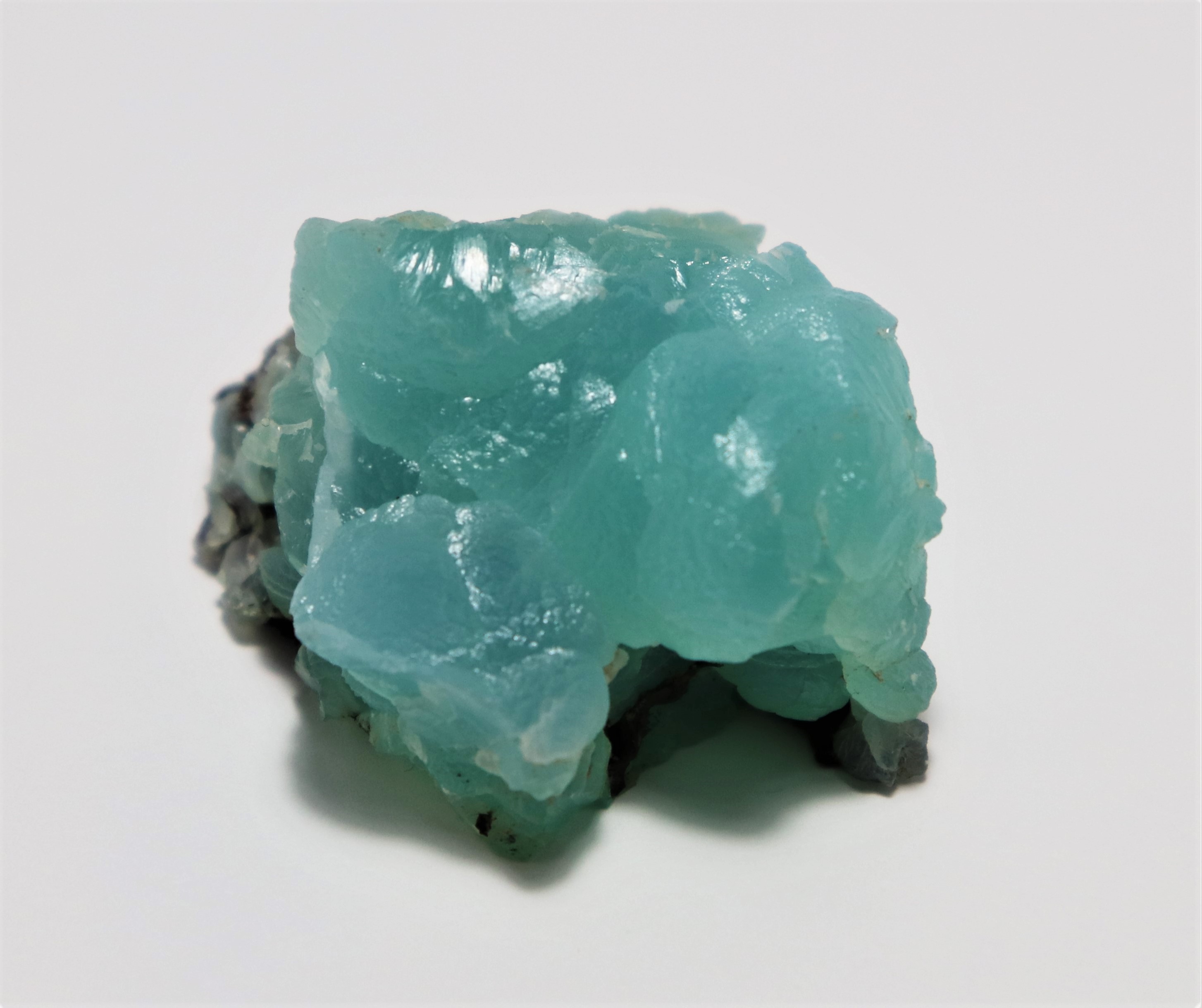
Light Blue Smithsonite enchants with its delicate, airy shades of blue, evoking a sense of tranquility and serenity. This variety exudes a gentle, calming aura, making it a popular choice for those seeking a gemstone that embodies a sense of inner peace and mindfulness. Its subtle beauty radiates a timeless elegance.
Raw Blue Smithsonite
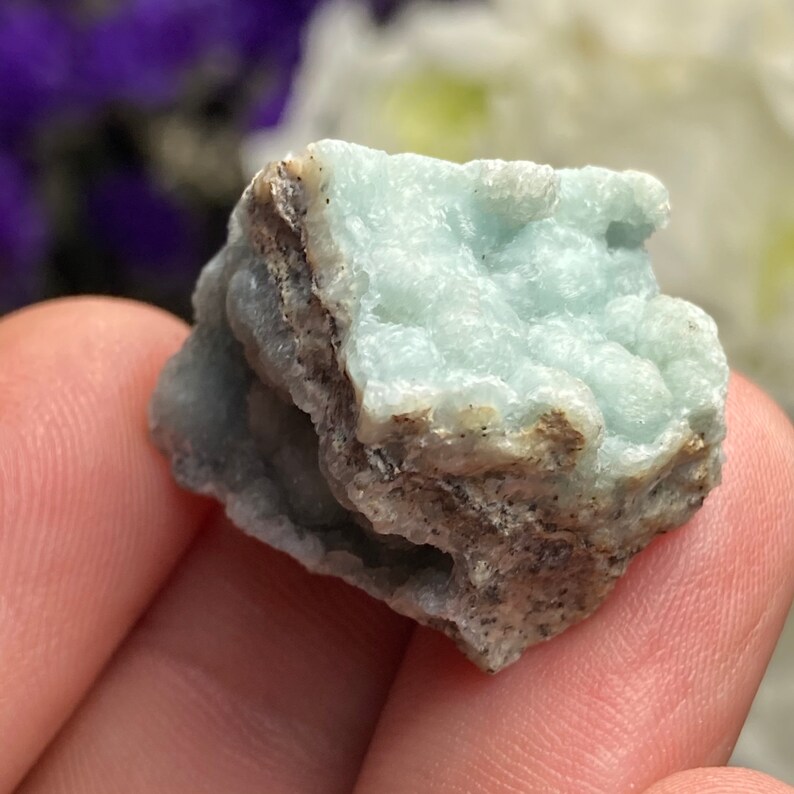
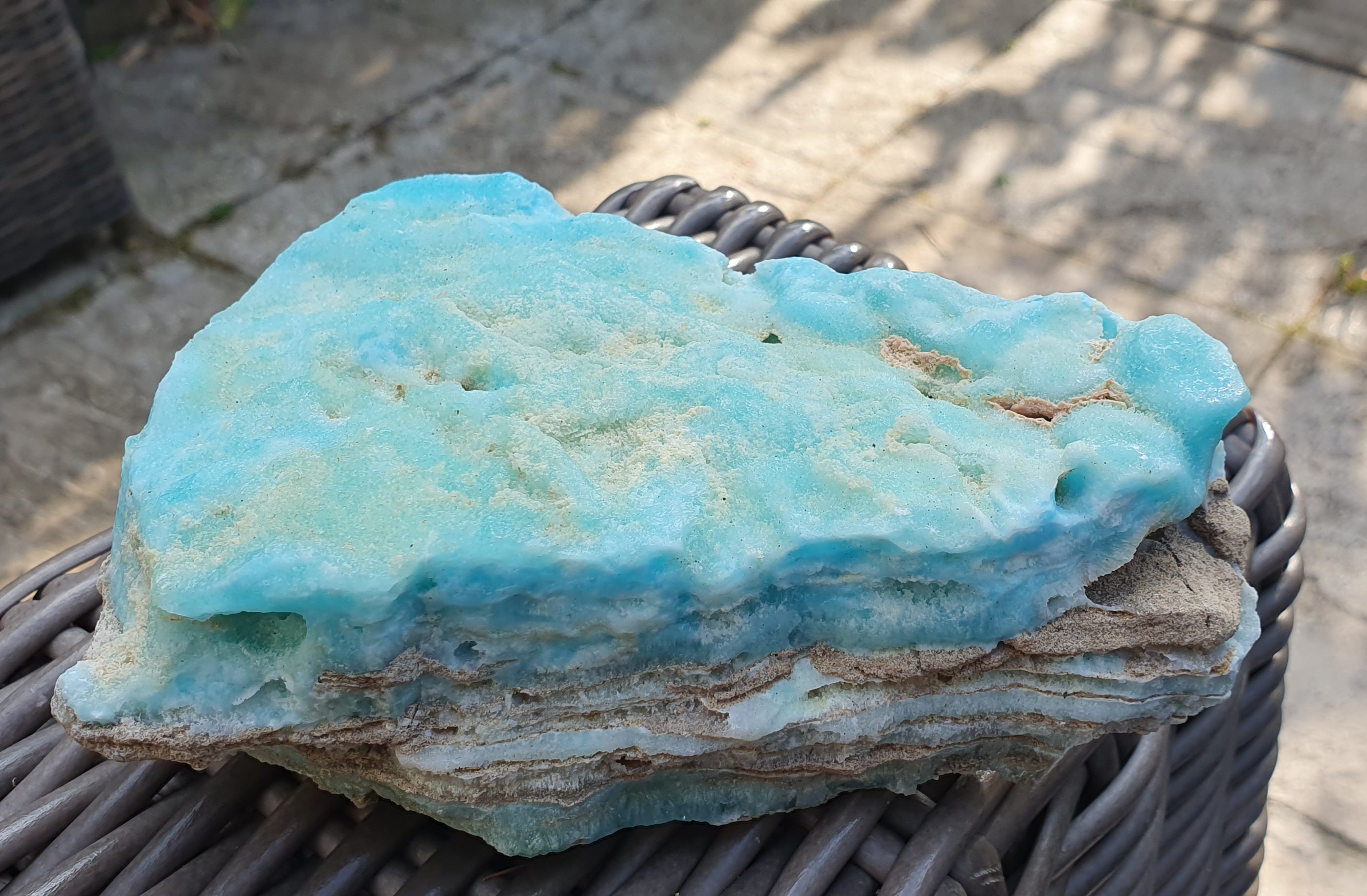
Raw Blue Smithsonite showcases the gemstone in its natural, uncut form, offering a unique glimpse into the raw beauty of this mineral. With its rough, unpolished surfaces, this variety of Blue Smithsonite is cherished for its earthy, organic aesthetic. Collectors and nature enthusiasts alike are drawn to its authentic and unrefined allure.
Sky Blue Smithsonite
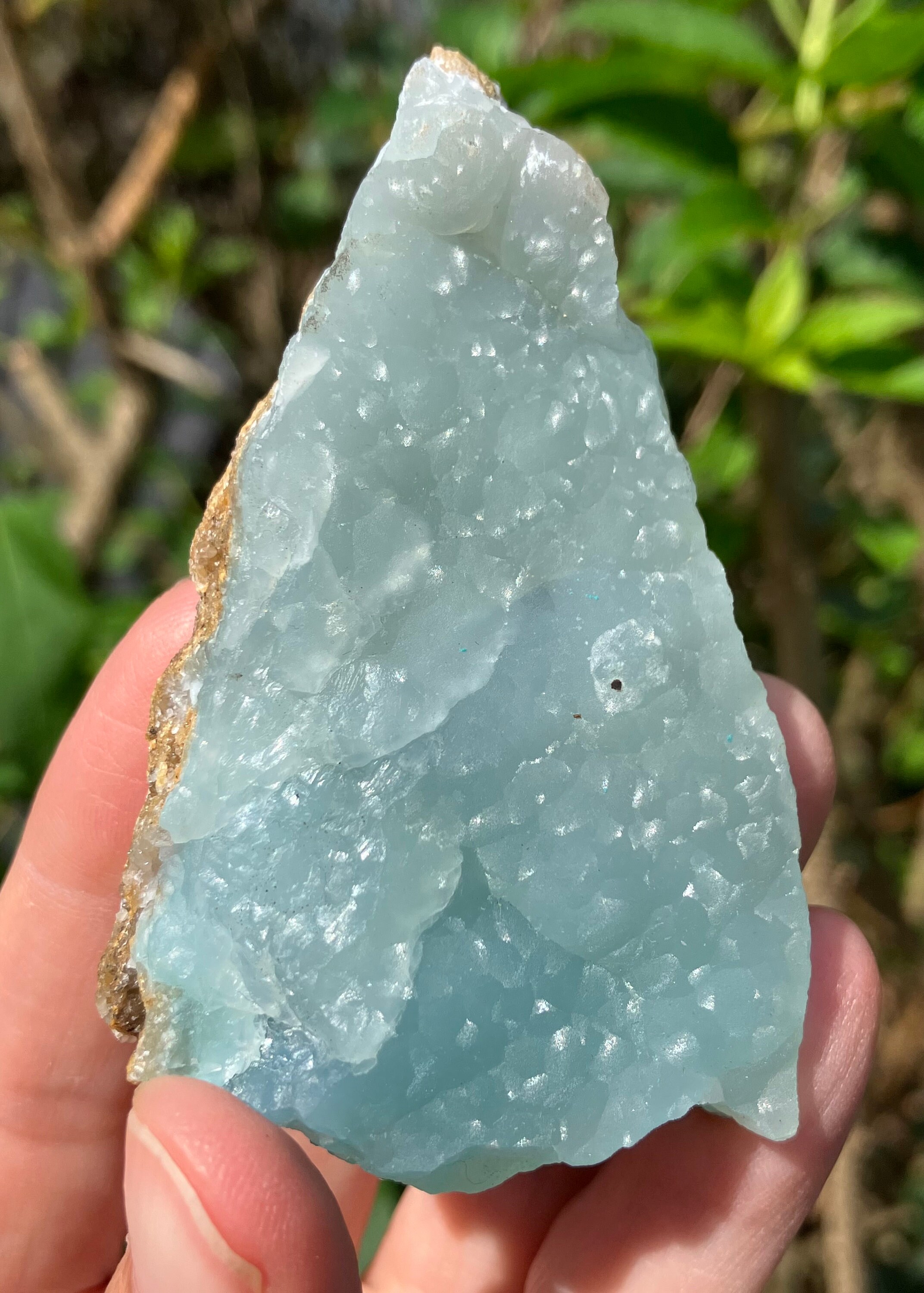
Sky Blue Smithsonite embodies the ethereal beauty of a clear, open sky on a sunny day. This variety boasts a soft, serene blue tone that evokes feelings of calmness and expansiveness. Often used in jewelry designs that aim to capture the essence of boundless horizons, Sky Blue Smithsonite is a popular choice for those seeking a touch of celestial inspiration.
Banded Blue Smithsonite
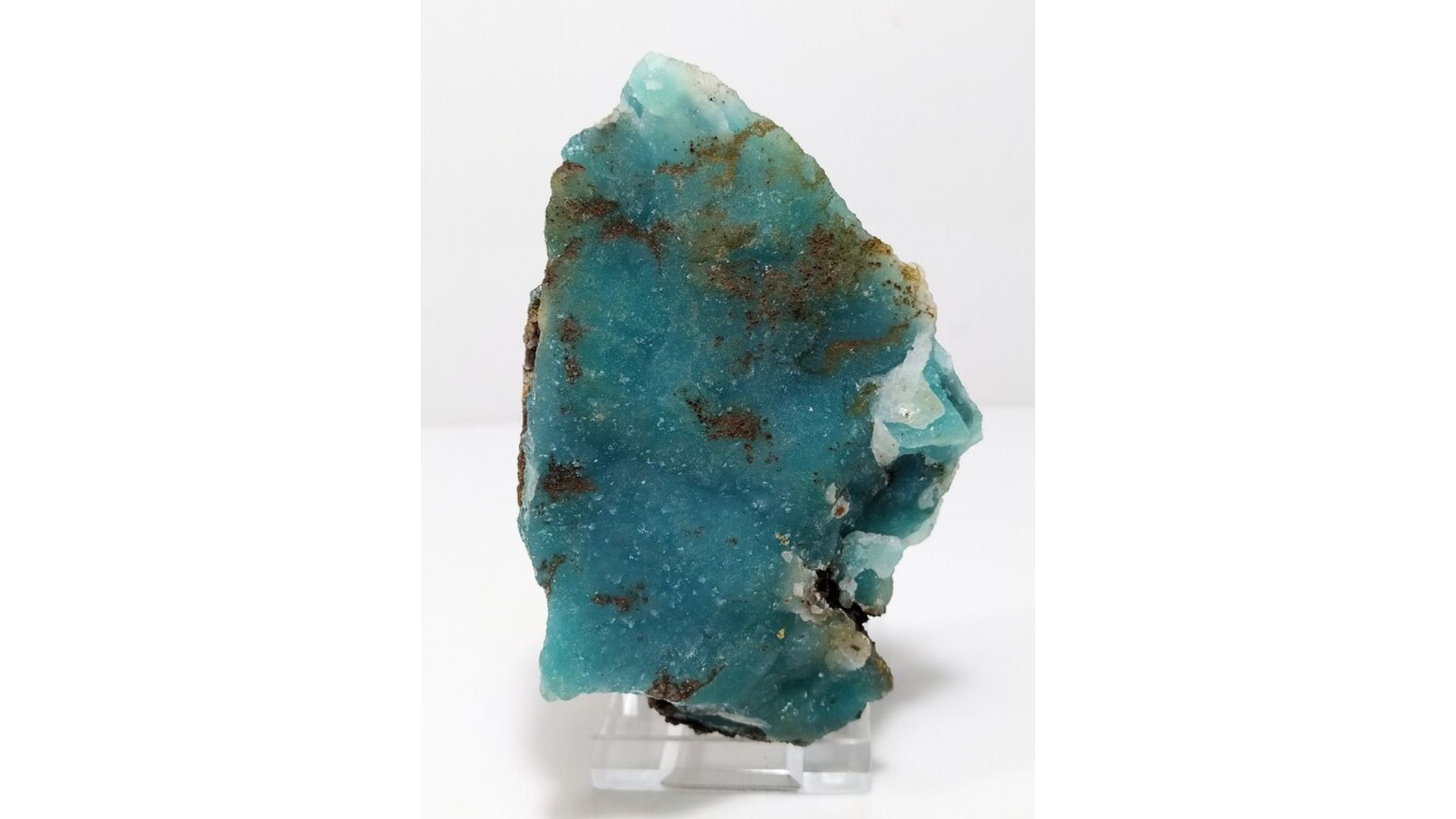
Banded Blue Smithsonite displays intriguing patterns of alternating blue hues and other minerals, creating a captivating visual effect. The bands of blue interwoven with other colors add depth and character to the gemstone. This variety is highly sought after for its unique and artistic appeal, making it a favorite among collectors.
Electric Blue Smithsonite
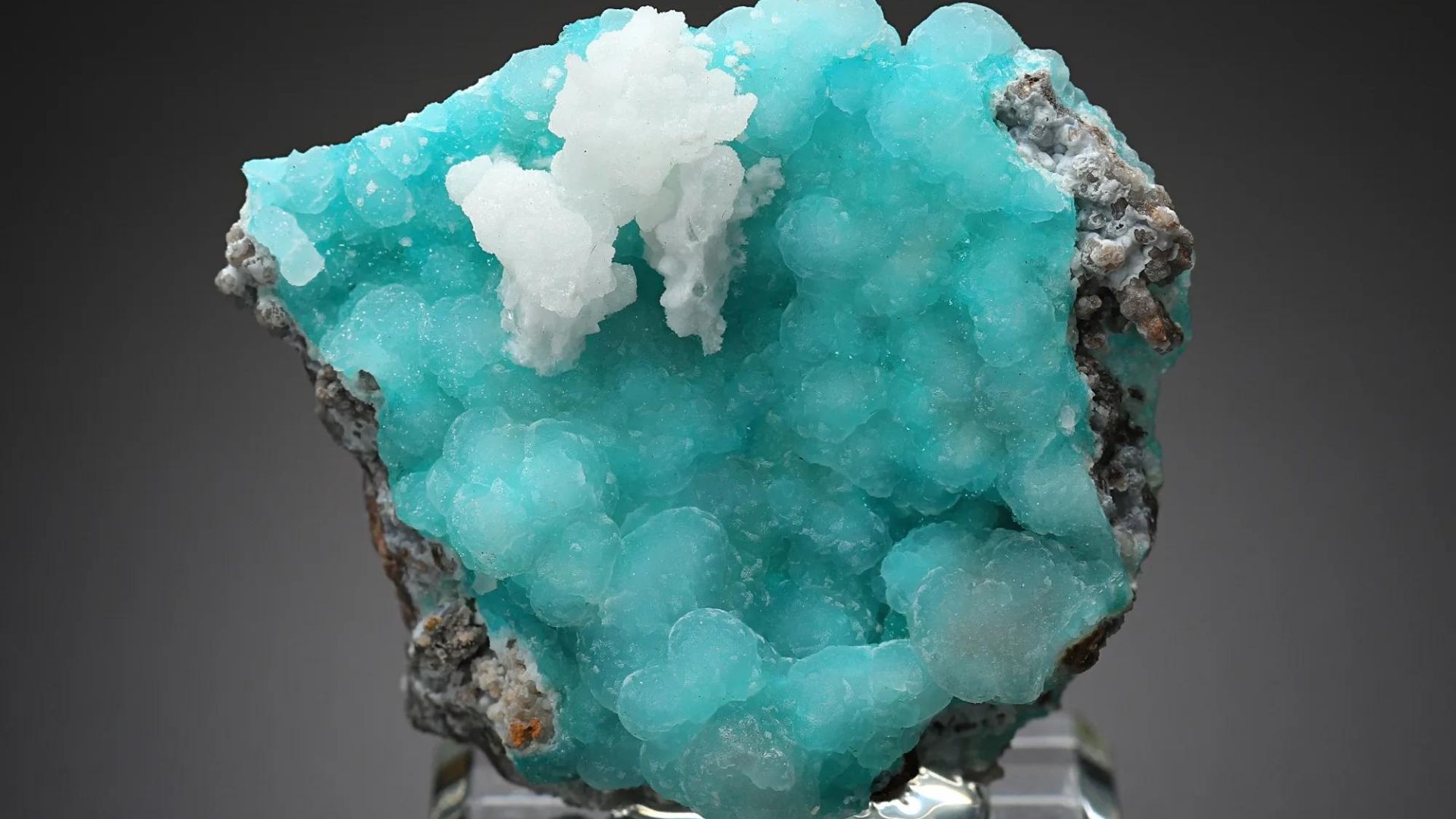
Electric Blue Smithsonite is distinguished by its vibrant, electrifying blue coloration that commands attention. This high-energy variety captivates with its vivid and intense hues, making it a dynamic choice for those seeking a gemstone that exudes confidence and vitality. Its bold presence is sure to make a statement in any jewelry design.
Teal Blue Smithsonite
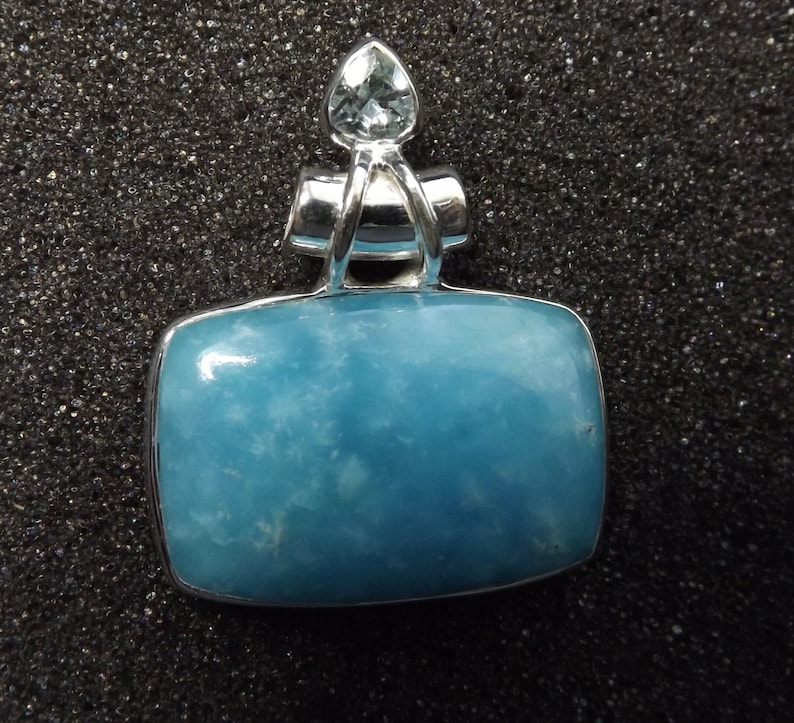
Teal Blue Smithsonite offers a unique blend of blue and green tones, creating a mesmerizing and distinctive color palette. This variety exudes a sense of harmony and balance, making it a favored choice for individuals seeking a gemstone that resonates with both the heart and the mind. Its captivating color range is sure to leave a lasting impression.
Denim Blue Smithsonite
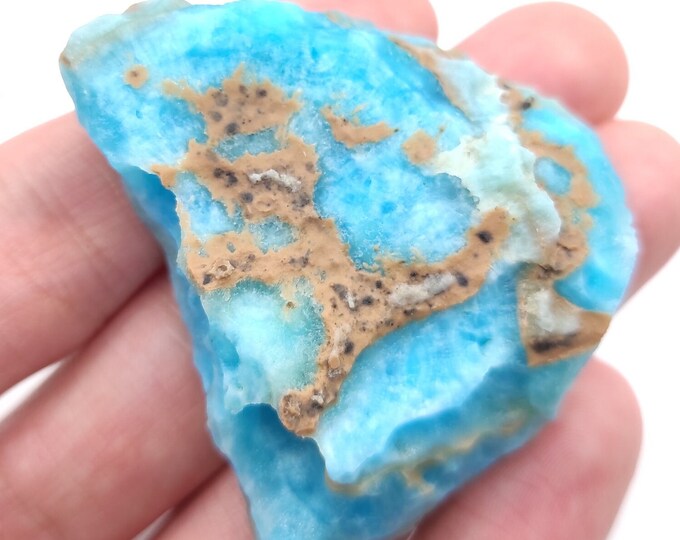
Denim Blue Smithsonite showcases a versatile and timeless shade reminiscent of classic denim fabric. This variety exudes a casual yet sophisticated appeal, making it a popular choice for both everyday wear and special occasions. Its understated elegance and easy-to-pair hue make it a versatile addition to any jewelry collection.
Icy Blue Smithsonite
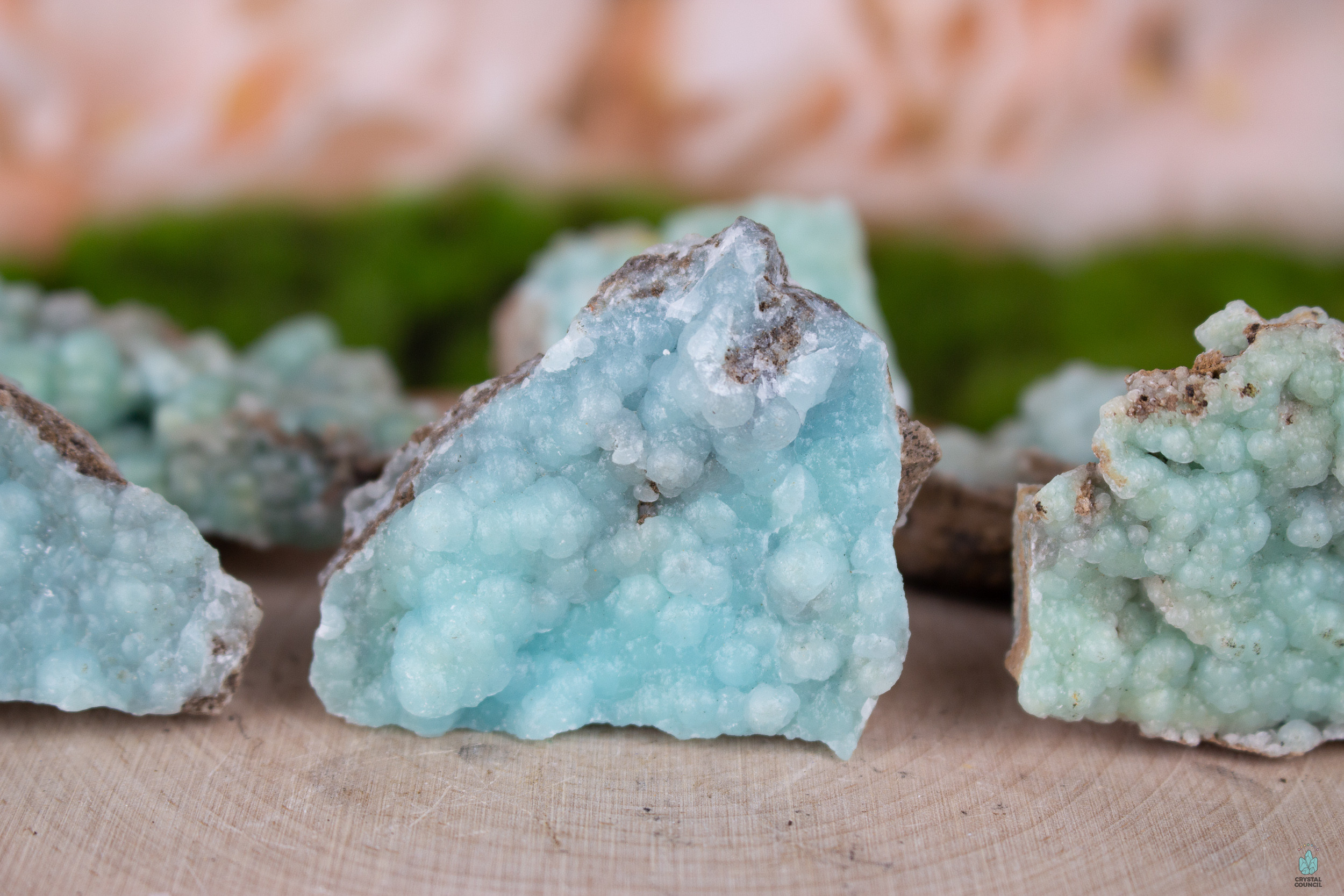
Icy Blue Smithsonite captivates with its cool, crisp blue tones that evoke images of pristine, frozen landscapes. This variety exudes a sense of purity and clarity, making it a favored choice for those seeking a gemstone that symbolizes fresh beginnings and a clean slate. Its serene beauty resonates with individuals in search of inner peace and renewal.
Ocean Blue Smithsonite
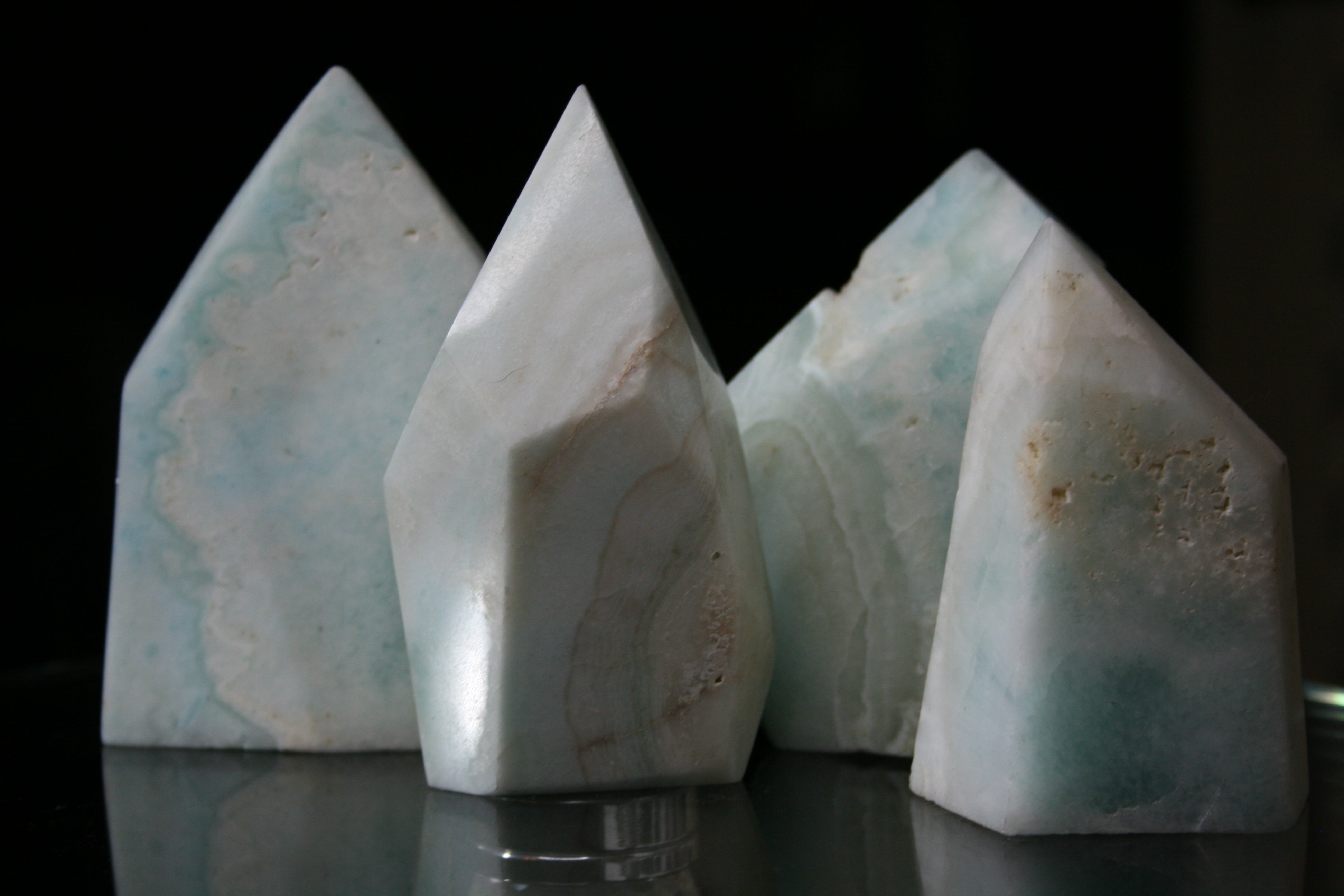
Ocean Blue Smithsonite transports you to the depths of the sea with its vivid and evocative blue hues. This variety captures the essence of the ocean's vastness and depth, instilling a sense of calm and wonder. Its dynamic coloration and association with the sea make it a cherished gemstone for those drawn to the mysteries and beauty of the marine world.
In addition to these, there are other varieties of smithsonite, not specifically blue, but worth mentioning:
- Cobalt-bearing Smithsonite:A pink variety, where cobalt is the coloring agent.
- Dry Bone Ore:A massive or botryoidal variety with a dull, dry appearance.
- Herrerite:A copper-bearing variety.
- Monheimite:An iron-bearing variety.
- Turkey-Fat Ore:A botryoidal variety colored bright yellow due to cadmium sulfide inclusions.
Metaphysical Properties And Healing Benefits
In ancient Egypt, smithsonite was believed to hold protective and spiritual powers. It was often used in amulets and jewelry to ward off negative energies and promote well-being.
During the Renaissance period in Europe, gemstones gained prominence as symbols of wealth, power, and artistic expression. Blue Smithsonite, with its unique and alluring shade of blue, became a coveted gem among European nobility.
Emotional Healing And Stress Relief
- Known as a stone of tranquility, Blue Smithsonite helps in soothing anxiety, reducing stress, and alleviating emotional turmoil.
- It promotes inner peace and emotional stability, making it a valuable tool for individuals struggling with depression, grief, or emotional exhaustion.
- By dissolving negative thought patterns, this crystal encourages clarity and a fresh perspective on difficult situations.
Enhancing Self-Confidence And Social Ease
- Blue Smithsonite is believed to ease social anxiety, helping individuals feel more comfortable in group settings.
- It strengthens self-esteem and personal confidence, making it a beneficial stone for those who experience shyness or insecurity.
- Many crystal users carry it to enhance communication skillsand promote authentic self-expression.
Spiritual Growth And Psychic Enhancement
- Placing Blue Smithsonite on the third eye or crown chakrais said to activate psychic abilities, including heightened intuition and enhanced awareness.
- It facilitates deep meditation and dream clarity, assisting individuals in astral travel and spiritual exploration.
- The gentle energy of this crystal aligns with the throat chakra, encouraging honest communication and emotional release.
Physical Healing Associations
While primarily known for its emotional and spiritual benefits, some believe Blue Smithsonite also supports:
- Immune system functionand overall vitality.
- Skin and tissue regeneration, particularly in cases of wounds or scars.
- Balancing hormonal fluctuations, making it helpful for stress-related imbalances.
While these metaphysical properties are not scientifically proven, many people find that blue smithsonite brings a sense of peace, tranquility, and emotional well-being.
See Also: Top 18 Light Blue Gemstones For Your Jewelry Collection
Uses And Applications Of Blue Smithsonite
Blue Smithsonite’s unique combination of beauty and metaphysical properties makes it a sought-after stone in various fields. Whether for jewelry, meditation, or decorative purposes, this gemstone offers both aesthetic and energetic value.
Jewelry And Ornamental Uses
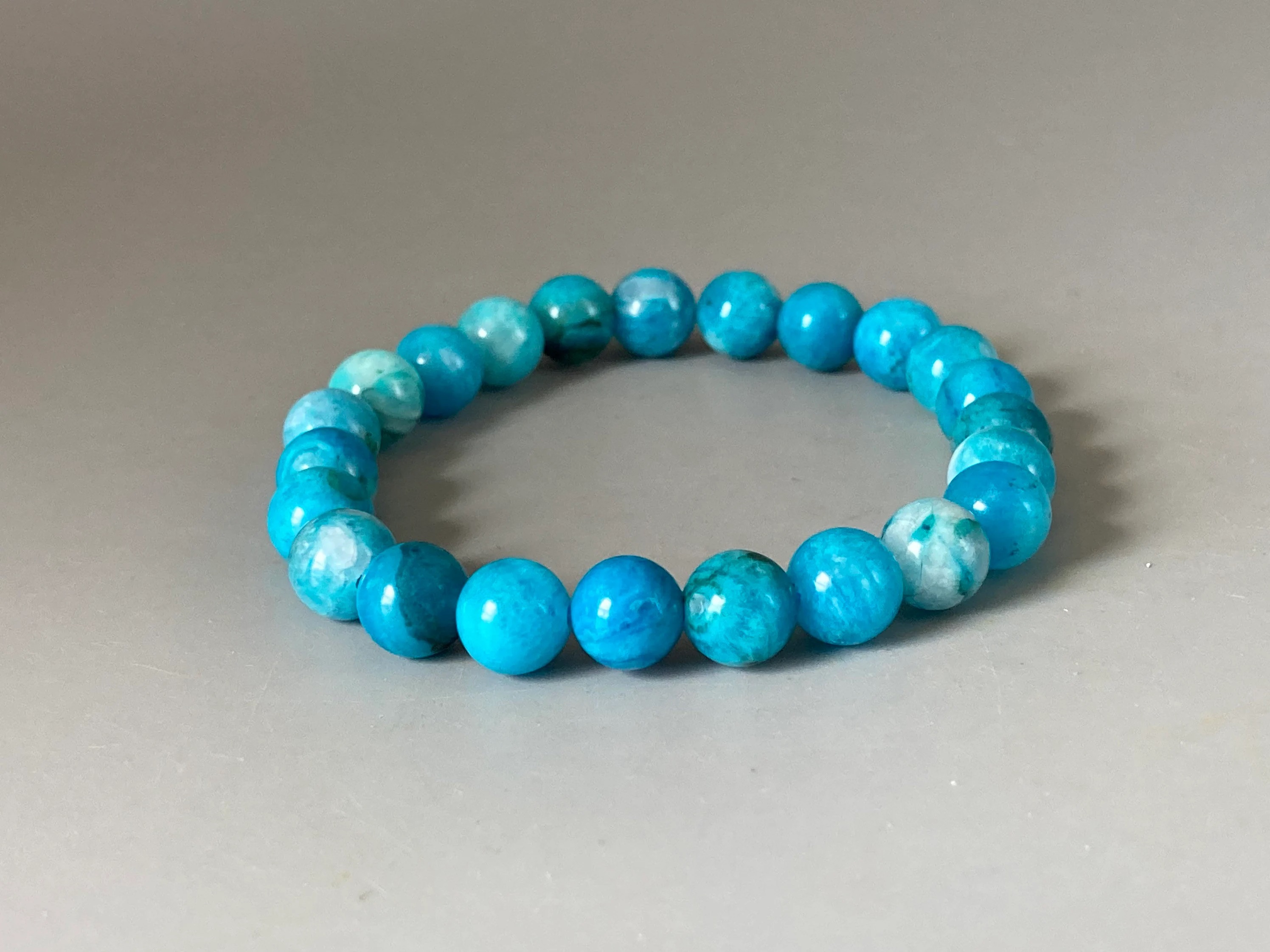
- Due to its vibrant color and smooth, botryoidal formations, Blue Smithsonite is crafted into cabochons, beads, and pendants.
- Its delicate nature (3.5–4.5 Mohs hardness)makes it more suitable for earrings, pendants, and brooches rather than ringsor bracelets.
- Collectors treasure rare and high-quality specimens, especially those from historic or newly discovered deposits.
Meditation And Energy Work
- Used in chakra healing, Blue Smithsonite is often placed on the throat chakrato improve self-expression and emotional clarity.
- Holding or wearing this stone during meditation promotes calmness, intuition, and stress relief.
- Crystal healers use it to restore balance to emotional energiesand aid in releasing past traumas.
Feng Shui And Home Décor
- In Feng Shui, Blue Smithsonite is believed to bring a sense of peace and relaxation, making it ideal for bedrooms or meditation spaces.
- Large polished specimens or raw clusters serve as decorative pieceswhile also enhancing the energy of a space.
- Placing it near a workspace can encourage mental clarity and ease tensionin high-stress environments.
Lapidary And Carving Potential
- While Blue Smithsonite is too soft for extensive faceting, its massive formationsallow for carving into small sculptures, cabochons, and art pieces.
- Some lapidary artists work with it carefully to preserve its rich blue hues and smooth surfaces.
- Due to its scarcity and varying hardness, expert craftsmanship is required to shape it into desired forms without damage.
With its diverse applications in jewelry, energy healing, and décor, Blue Smithsonite continues to captivate gem enthusiasts, healers, and collectors alike.
Identifying Genuine Blue Smithsonite
Distinguishing genuine blue smithsonite from imitations and other minerals requires careful observation and, in some cases, specialized testing. Here are some key characteristics and methods to help you identify genuine blue smithsonite:
- Color:While the blue color is a primary indicator, it's essential to note the range of blue shades, from light sky blue to deep electric blue. However, color alone is not definitive, as other minerals and imitations can mimic these hues.
- Luster:Smithsonite typically exhibits a vitreous to pearly luster.
- Form:It commonly occurs in botryoidal (grape-like) masses and stalactitic formations. While crystallized forms are rare, they are typically rhombohedral.
Distinguishing From Hemimorphite
Smithsonite and hemimorphite were once classified together as "calamine." To differentiate them:
- Acid Test:Smithsonite effervesces (produces CO2 bubbles) when a small piece is dipped in 10% hydrochloric acid. Hemimorphite dissolves into a gel-like consistency. Note: Acid testing is a destructive test and should only be performed on rough specimens as a last resort.
- Crystal Structure:Smithsonite has a trigonal crystal structure, while hemimorphite is orthorhombic.
Smithsonite Value
Market Prices
Rough Smithsonite:Generally, rough smithsonite is the most affordable, with prices ranging from $0.09 to $0.14 per carat for standard quality and starting around $0.77 per carat for higher-quality specimens.
Faceted Smithsonite:These gems are more expensive, typically starting at $23 to $54 per carat, with exceptional gems reaching up to $325 per carat.
Smithsonite Cabochons:These are more readily available and cost between $0.70 to $1.00 per carat, with higher-quality cabochons going for up to $30 per carat.
Smithsonite Jewelry:Prices for jewelry vary widely depending on the metals and other gemstones used. Rings can range from $20 to over $1100, pendants and necklaces from $20 to $400, and beaded bracelets from $35 to $60. Carved smithsonite pieces also vary, generally ranging from $12 to $200.
Caring For Your Blue Smithsonite
Blue smithsonite, being a relatively soft and somewhat porous gemstone, requires special care to maintain its beauty and integrity. Here are some essential tips for caring for your blue smithsonite:
Cleaning:
- Use warm, soapy water and a soft cloth or a soft-bristled brush to clean your blue smithsonite.
- Avoid harsh chemicals, ultrasonic cleaners, and steam cleaners, as these can damage the stone.
- Rinse thoroughly and dry completely after cleaning.
Storage:
- Store your blue smithsonite separately from harder gemstones to prevent scratching.
- Keep it in a cool, dry place away from direct sunlight and heat, as prolonged exposure can cause discoloration or fading.
Handling:
- Handle your blue smithsonite with care, as it is susceptible to chipping and scratching.
- Avoid wearing it during activities that may expose it to impact or abrasion.
Remove your smithsonite jewelry before applying perfumes, lotions, or other chemicals, as these can damage the stone or its surface coatings.By following these care instructions, you can ensure that your blue smithsonite retains its beauty and brilliance for years to come.
You Might Also Like: Raw Blue Chalcedony - A Most Natural And Vulnerable Form Of The Crystal
Blue Smithsonite - FAQs
What Is Blue Smithsonite Used For?
Blue Smithsonite is primarily used as a collector's gemstone due to its rarity and striking color. It is also utilized in lapidary work for carvings and jewelry, though its softness limits its durability. Historically, smithsonite was an important ore for zinc extraction. Some also associate it with metaphysical properties, believing it enhances communication, creativity, and emotional balance.
What Is Blue Smithsonite?
Smithsonite is calcite. The zinc-dominant (Zn) end member forms a series with iron-dominant (Fe) siderite. New Mexico blue-green smithsonites and Namibian yellowish stones have long been sought.
How Valuable Is Smithsonite?
Smithsonite's value depends on factors like color intensity, clarity, locality, and specimen size. Rough smithsonite is more affordable, typically ranging from $0.09 to $0.14 per carat, while high-quality specimens start at $0.77 per carat. Faceted smithsonite, which is rare, can range from $23 to $54 per carat, with exceptional pieces commanding even higher prices.
Is Smithsonite A Rare Mineral?
Smithsonite is considered relatively rare, especially in well-formed crystalline specimens. It is typically found as botryoidal, stalactitic, or druzy formationsrather than individual crystals. Gem-quality smithsonite, particularly in striking shades like blue and green, is extremely rare and highly valued by collectors.
What Colors Can Smithsonite Be?
Smithsonite occurs in various colors, including blue, green, yellow, pink, purple, white, gray, and brown. The coloration is influenced by trace elements such as copper, cobalt, manganese, and iron.
What Type Of Metal Is Smithsonite?
Smithsonite, previously calamine, zinc carbonate (ZnCO3), was the primary zinc source until the 1880s when sphalerite superseded it. Secondary minerals or alteration products of main zinc minerals are usually found in the oxidized zone of ore deposits.
Conclusion
Blue Smithsonite stands out as a rare and captivating mineral, admired for its stunning color, unique crystal formations, and historical significance. Once a primary source of zinc, it is now primarily valued by collectors and lapidary artists. Its delicate beauty, combined with its rarity, makes high-quality specimens highly sought after in the gemstone market.
Beyond its physical appeal, Blue Smithsonite is also associated with calming energies, making it a favorite among crystal enthusiasts. Whether appreciated for its geological significance, aesthetic charm, or metaphysical properties, this mineral continues to fascinate those who encounter it.
For collectors, gem enthusiasts, and mineralogists alike, Blue Smithsonite is a true treasure-a mineral that embodies both natural beauty and scientific intrigue.